Language

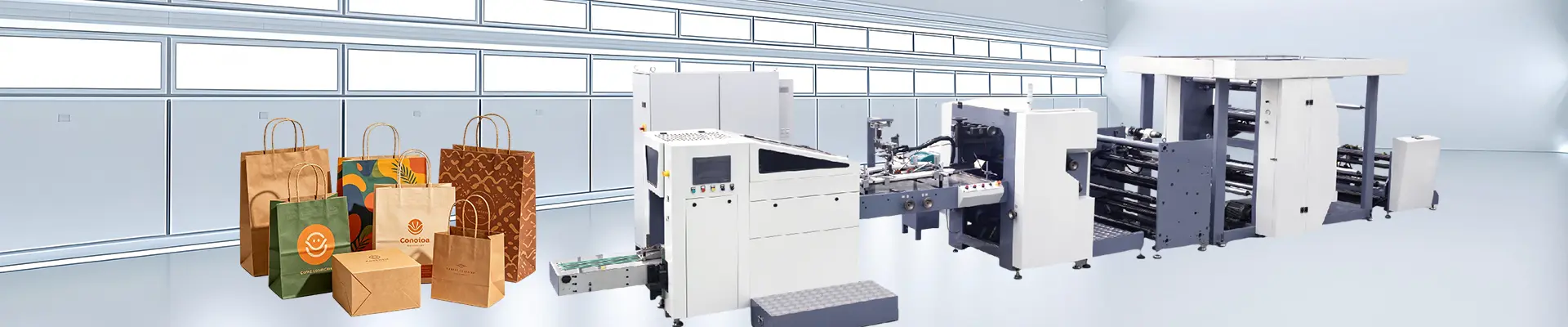
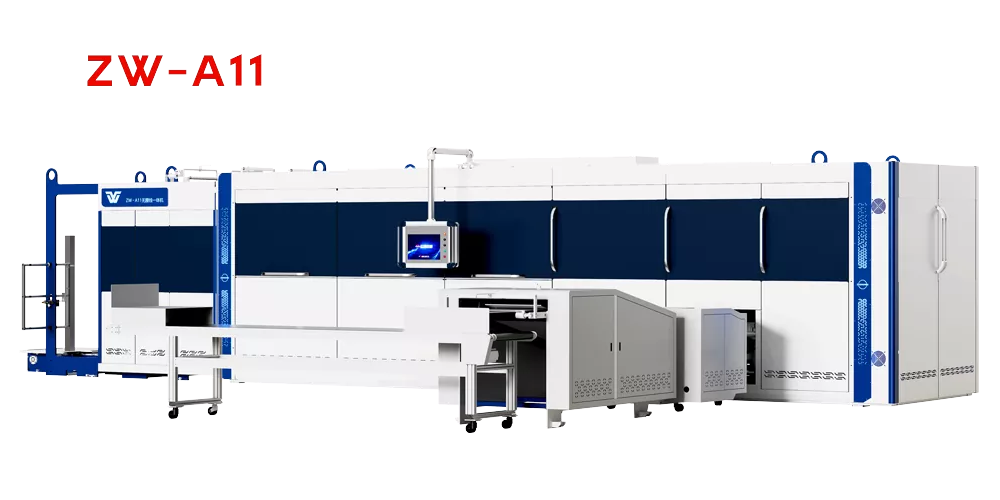
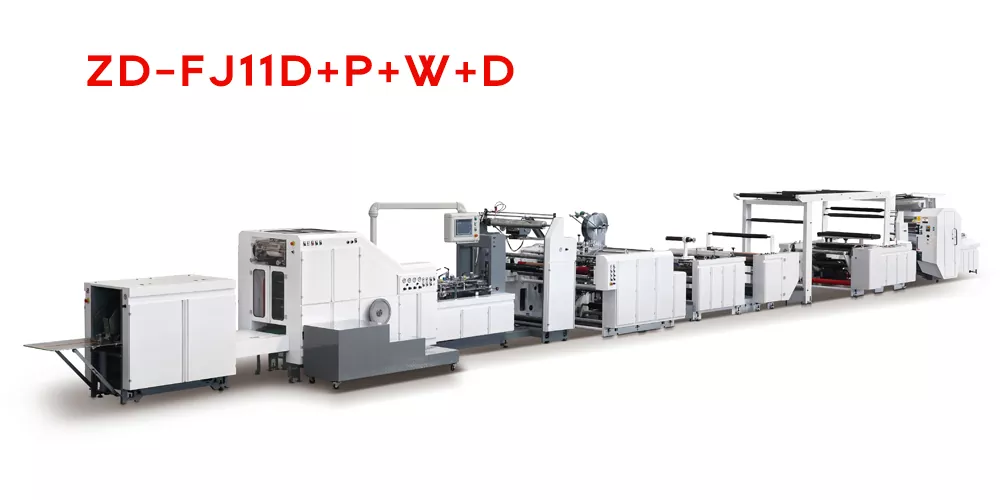
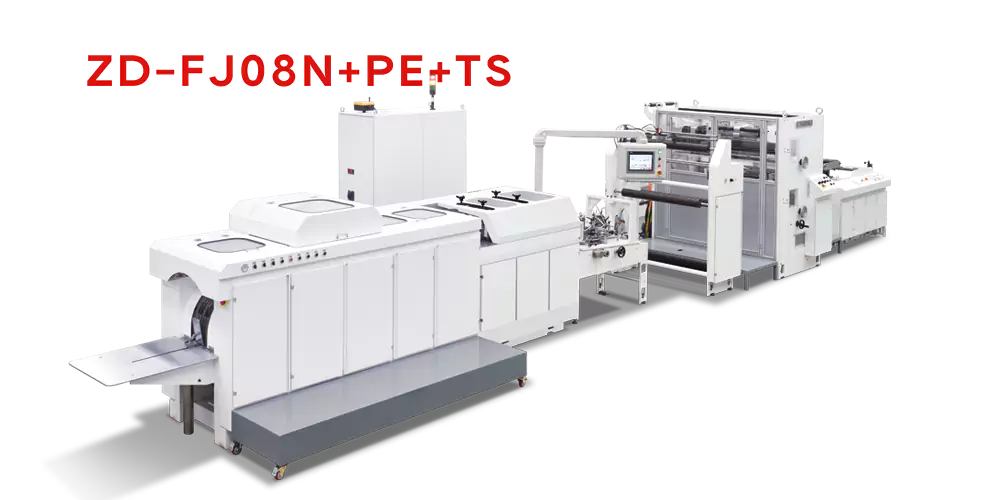
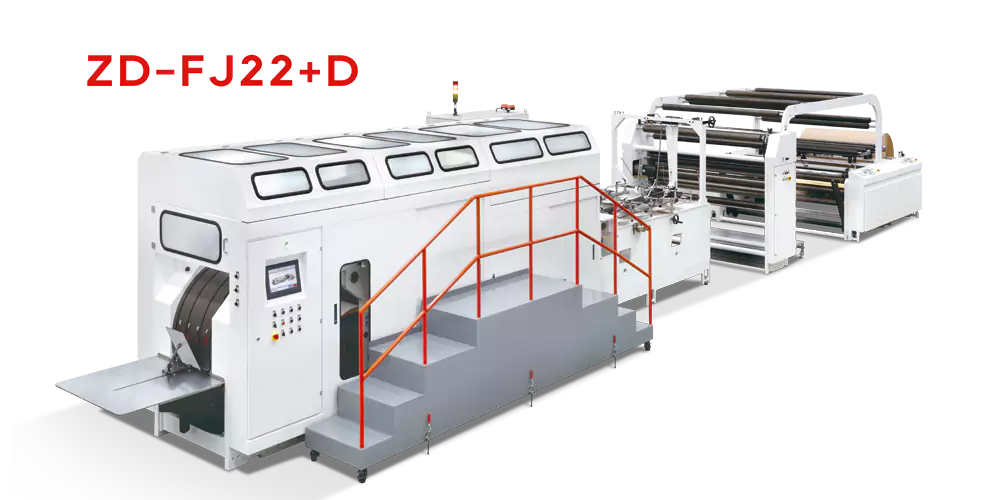
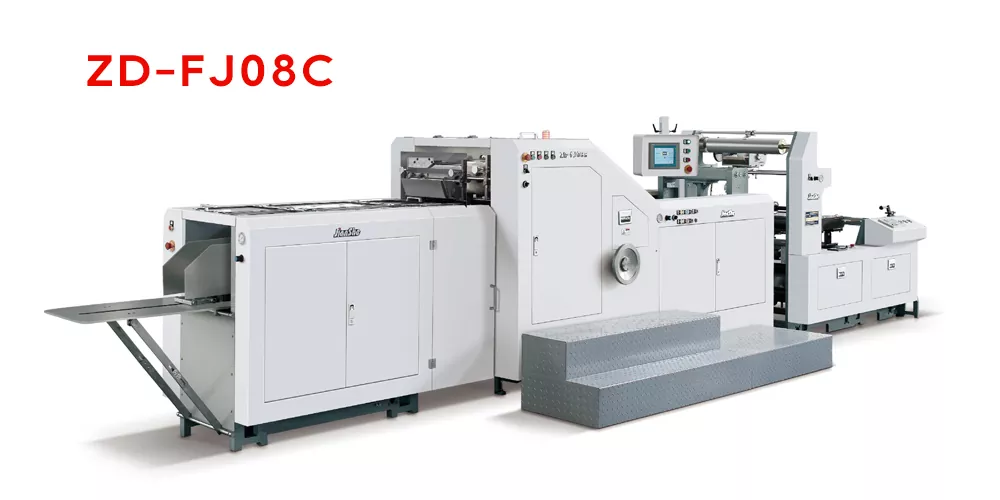
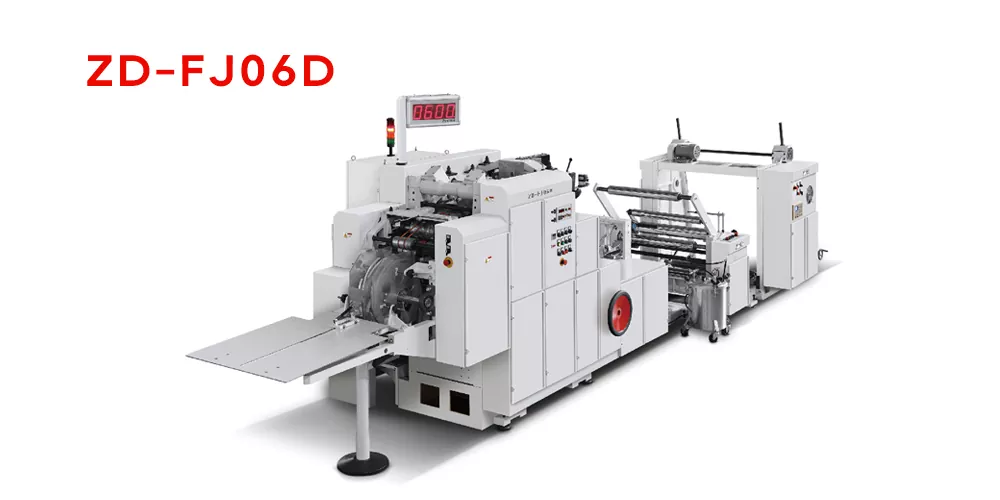
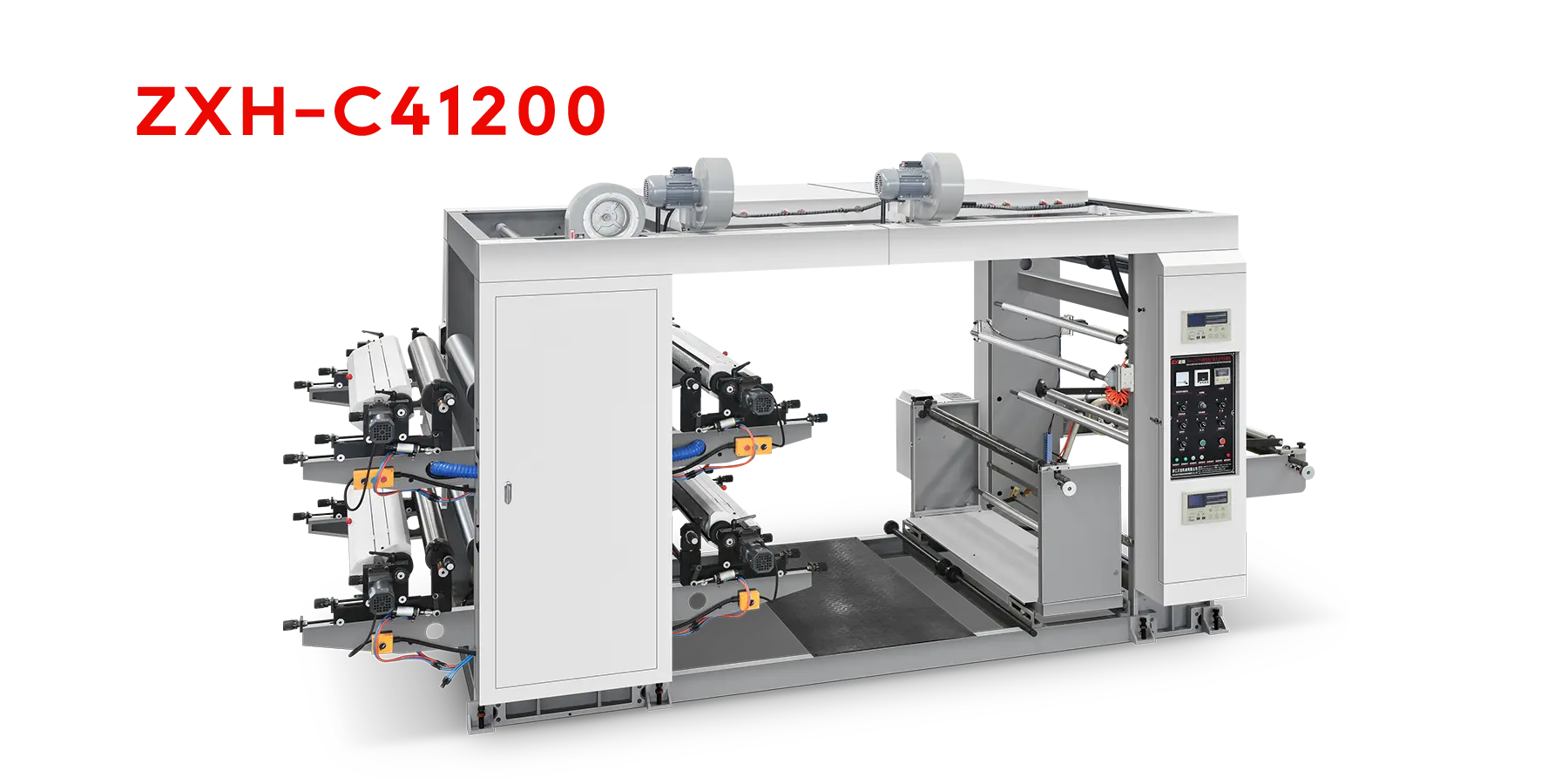
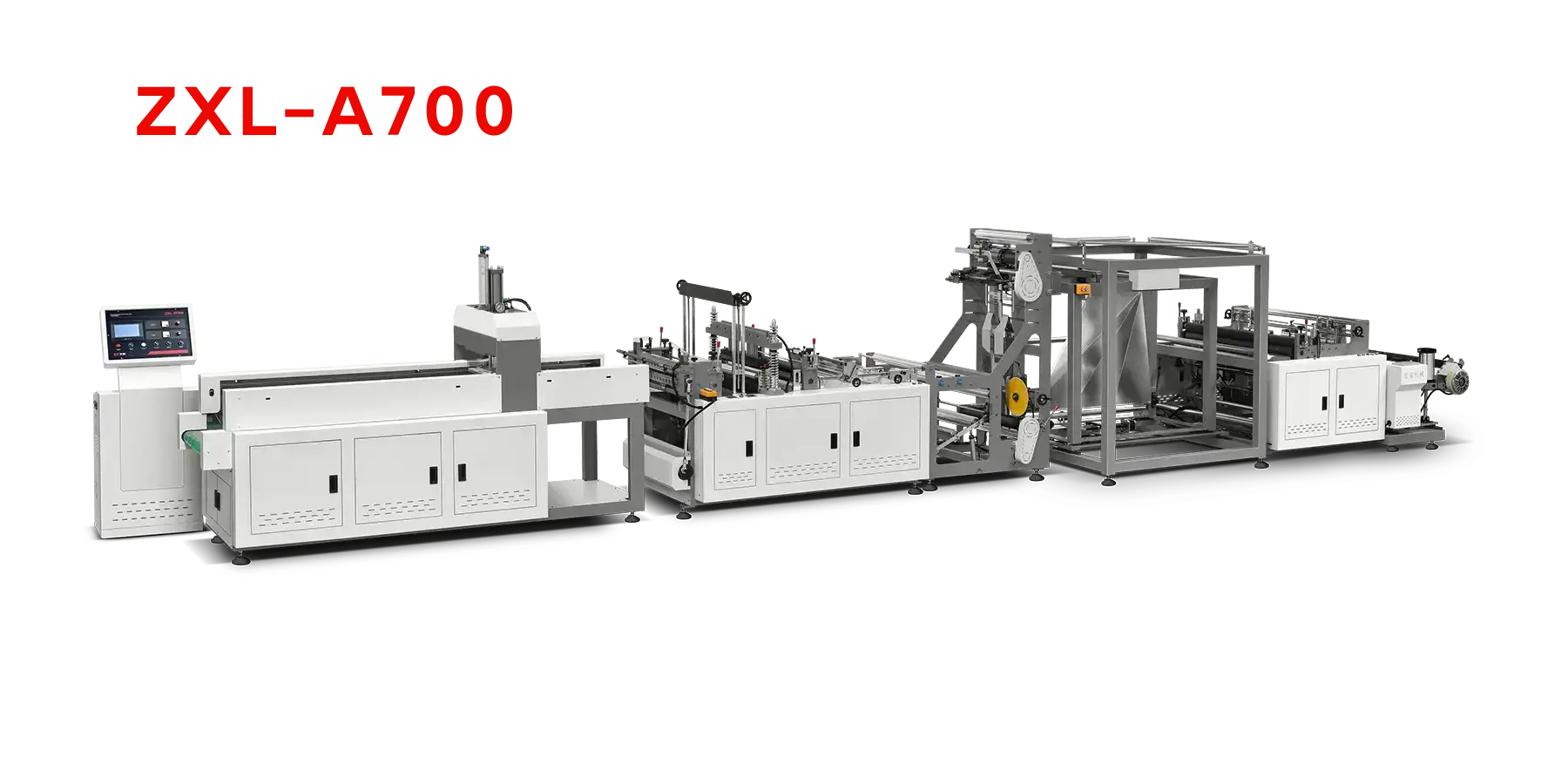
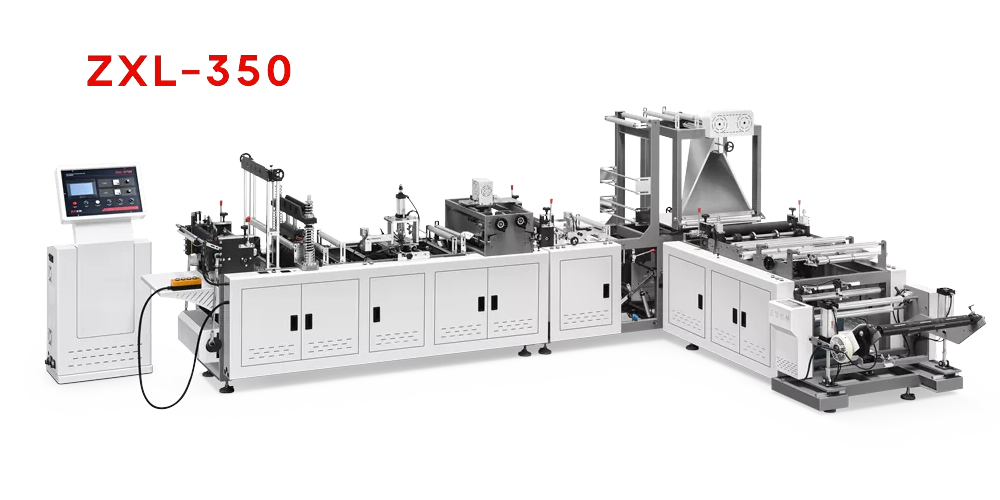
In the modern packaging industry, the demand for eco-friendly and efficient solutions has led to a significant rise in the adoption of automated systems. One such innovation is the paper bag machine. It represents a pivotal shift from plastic to sustainable paper-based packaging, enabling businesses across food service, retail, grocery, and industrial sectors to produce high-quality paper bags at scale. EZ Tech has been at the forefront of designing and manufacturing these machines for over two decades, integrating precision engineering with user-friendly operation. The purpose of this comprehensive guide is to provide an in-depth look at paper bag machines, their technical specifications, variation across models, performance metrics, and practical considerations for procurement. We will also present detailed product parameters from EZ Tech in a structured manner, helping you evaluate which model best fits your production needs. Our Paper Bag Machine series includes products such as the Fully Automatic Crease-Free Sheet Feeding Paper Bag Making Machine, Roll-fed Square Bottom Paper Bag Machine, and others.
At its core, a paper bag machine automates the process of forming, gluing, folding, and cutting paper into finished bags. The technology has evolved from simple semi-automatic units to fully servo-driven high-speed systems capable of producing square bottom bags, V-bottom bags, flat bags, and satchel bags with or without handles. Modern machines can handle a range of paper materials including kraft paper, white cardboard, coated paper, and recycled paper, with basis weights typically ranging from 30 gsm to 150 gsm depending on the bag type. The fundamental operations include paper roll unwinding, side gluing, tube forming, longitudinal seam sealing, cutting into individual bag lengths, bottom folding, bottom gluing, bottom pressing, and final delivery. Advanced units also incorporate flexographic printing units, handle attachment modules, and automated quality inspection systems.
EZ Tech’s engineering philosophy centers on modularity, allowing customers to configure machines according to current requirements while retaining the flexibility to upgrade later. The core technologies employed include precise servo motor control for registration accuracy, PLC-based operational logic with human-machine interface touch screens, and robust mechanical structures that minimize vibration and wear over decades of use. The use of German and Japanese-sourced electronic components and bearings ensures consistent performance in high-duty cycles common in 24/7 production environments.