News

What Makes a Non-woven Bag Machine Essential for Modern Sustainable Packaging Production?

2026-06-15 0 Leave me a message

In today’s rapidly evolving packaging industry, sustainability and efficiency have become two driving forces shaping manufacturing decisions. A non-woven bag machine plays a crucial role in producing eco-friendly shopping bags that replace traditional plastic packaging. This article explores how these machines work, why they are in high demand, what benefits they offer, and how businesses can choose the right model. It also breaks down operational challenges, cost considerations, maintenance strategies, and future trends in non-woven bag production technology. Whether you are a startup entering the packaging industry or an established manufacturer upgrading your production line, this comprehensive guide will help you understand how to maximize productivity and profitability.

non-woven bag machine


Table of Contents


Introduction to Non-woven Bag Manufacturing

The global shift toward environmentally responsible packaging has significantly increased the demand for reusable and biodegradable alternatives. Non-woven bags, made from polypropylene fibers, are widely used in retail, groceries, fashion, and promotional industries. Unlike traditional plastic bags, they are durable, recyclable, and customizable, making them a preferred choice for modern consumers and brands.

Behind every high-quality non-woven bag is a specialized production system. This system is powered by advanced machinery designed to automate cutting, sealing, printing, and forming processes. Understanding how this equipment functions is essential for any business aiming to enter or expand within the packaging manufacturing sector.


What is a Non-woven Bag Machine?

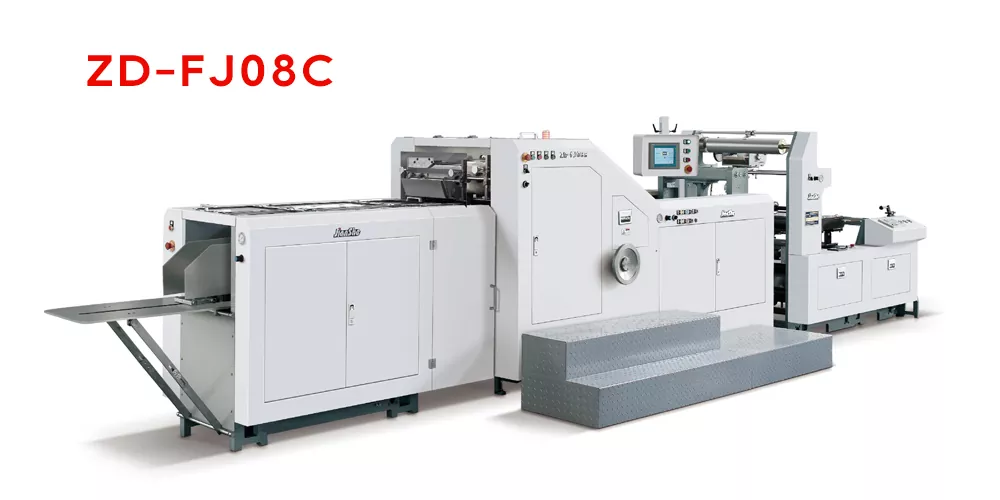
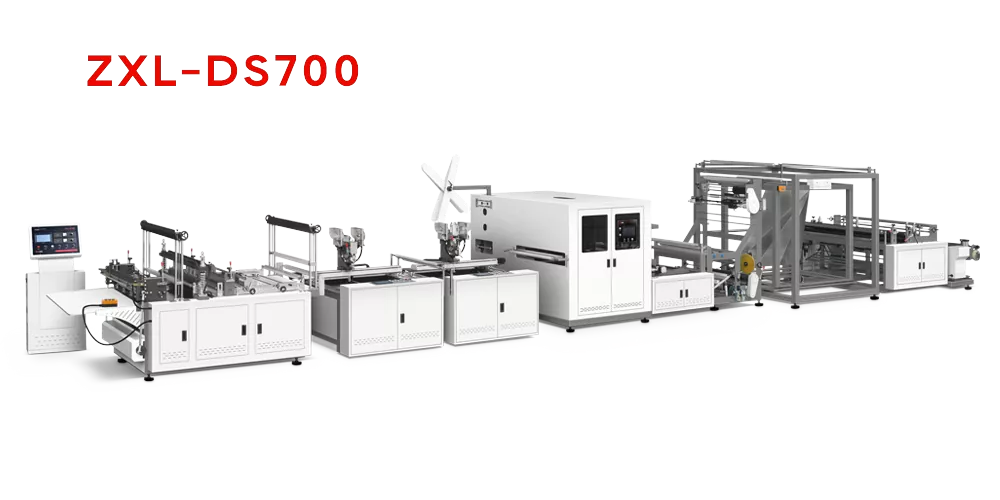
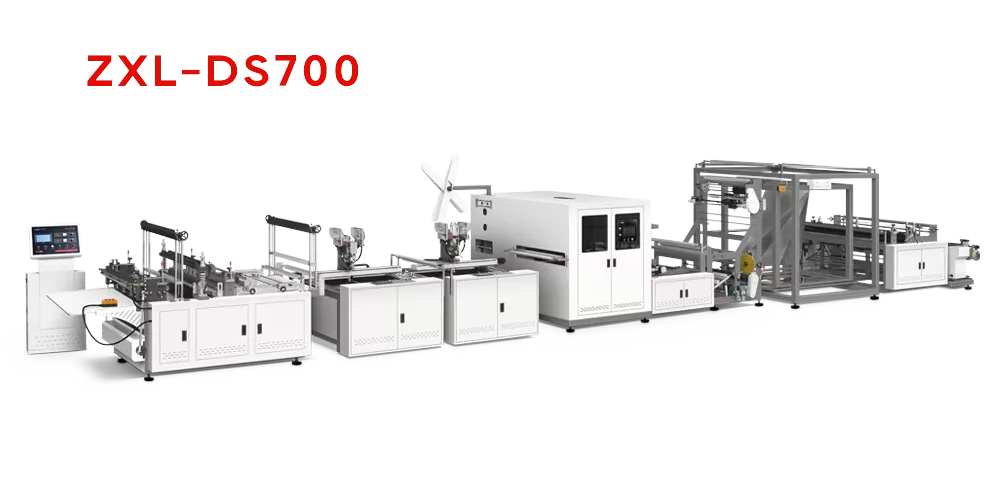
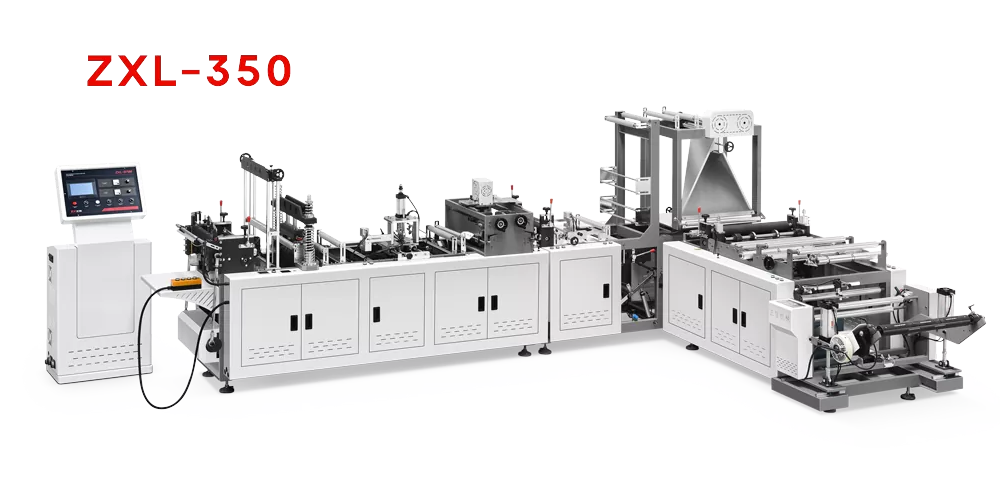
A non-woven bag machine is an industrial production system designed to convert non-woven fabric rolls into finished bags through automated processes. It integrates multiple functions such as feeding, cutting, ultrasonic sealing, handle attaching, and bag forming.

These machines are engineered to deliver high-speed production while maintaining precision and consistency. Depending on the configuration, they can produce flat bags, T-shirt bags, box bags, and laminated promotional bags.


How the Machine Works

The working principle of a non-woven bag machine is based on continuous automated processing. The fabric roll is fed into the machine, where it passes through a series of controlled mechanical stages.

Basic Workflow:

  • Material feeding from roll stock
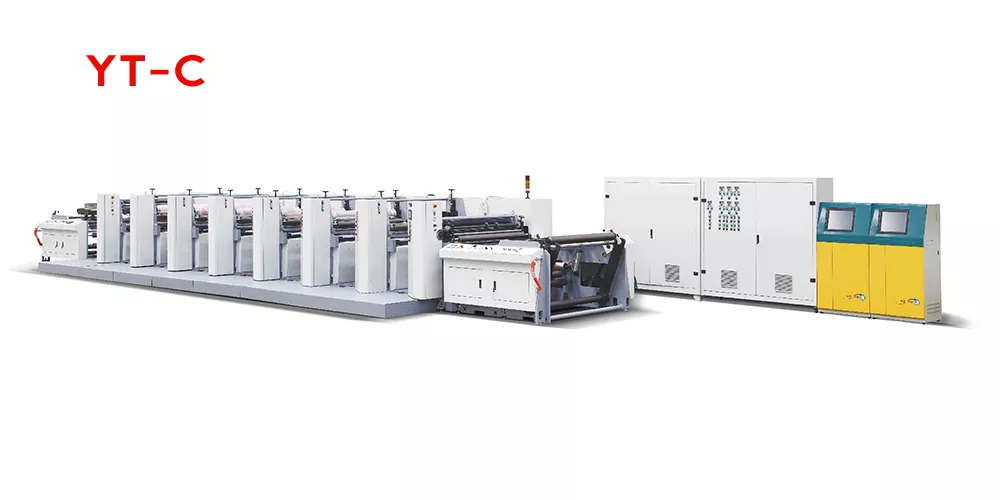
  • Printing (optional inline flexographic system)
  • Automatic cutting into required dimensions
  • Ultrasonic sealing for edge bonding
  • Handle placement and reinforcement
  • Final shaping and stacking

Each stage is synchronized through a programmable control system, ensuring high precision and minimal material waste.


Types of Non-woven Bag Machines

Different production requirements lead to different machine configurations. Below is a comparison table:

Machine Type Main Function Best Use Case
Flat Bag Machine Produces simple flat bags Retail packaging
T-shirt Bag Machine Makes handle-integrated bags Supermarkets
Box Bag Machine Creates structured square bags Luxury retail
Printing Integrated Machine Combines printing and forming Brand promotion

Each type is designed to meet specific production goals, from low-cost mass production to high-end customized packaging.


Key Components Explained

Understanding machine components helps operators optimize performance and reduce downtime.

  • Feeding System: Ensures stable fabric supply
  • Ultrasonic Welding Unit: Replaces traditional stitching for stronger bonding
  • Servo Motor System: Controls precision movement
  • Touch Screen Control Panel: Simplifies operation management
  • Cutting Unit: Ensures accurate bag dimensions

Core Benefits for Manufacturers

Investing in a non-woven bag machine provides multiple advantages that directly improve production efficiency and business competitiveness.

  • High-speed automated production
  • Reduced labor dependency
  • Consistent product quality
  • Low material waste
  • Support for customization and branding

These benefits make it easier for manufacturers to scale operations while maintaining cost control.


Industry Pain Points Solved

Traditional bag manufacturing methods often suffer from inefficiencies and quality inconsistencies. Non-woven bag machines address these challenges effectively.

  • Manual labor errors are eliminated through automation
  • Slow production cycles are replaced with continuous output
  • Weak sealing problems are solved using ultrasonic bonding
  • High operational costs are reduced through energy efficiency

Application Scenarios

Non-woven bags produced by these machines are widely used across industries:

  • Supermarkets and grocery stores
  • Fashion and apparel brands
  • Exhibition and promotional events
  • Packaging for electronics and gifts
  • Eco-friendly corporate branding campaigns

Buying Guide

Choosing the right machine requires careful evaluation of production needs and budget considerations.

  • Production capacity (bags per minute)
  • Automation level
  • Bag size flexibility
  • Material compatibility
  • After-sales technical support

A well-matched machine ensures long-term profitability and production stability.


Maintenance and Troubleshooting

Regular maintenance is essential for ensuring machine longevity and stable output.

  • Clean ultrasonic welding units regularly
  • Inspect cutting blades for wear
  • Lubricate moving parts weekly
  • Check servo motor calibration
  • Update control system software when required
Cost and ROI Analysis

The investment in a non-woven bag machine varies depending on automation level and production capacity. However, the return on investment is generally favorable due to high demand in eco-friendly packaging markets.

Factor Impact on Cost
Automation Level Higher automation increases initial cost but reduces labor expenses
Production Speed Faster machines yield higher output and faster ROI
Customization Features Printing and shaping options increase machine price

Future Development Trends

The non-woven bag manufacturing industry continues to evolve with technological advancements.

  • AI-powered production monitoring systems
  • Energy-efficient servo systems
  • Fully automated smart factories
  • Eco-material compatibility improvements

These innovations will further improve productivity and reduce environmental impact.


Frequently Asked Questions

Q1: What materials can a non-woven bag machine use?
It typically uses polypropylene non-woven fabric, with options for laminated materials.

Q2: How many bags can it produce per hour?
Depending on the model, production ranges from hundreds to thousands of bags per hour.

Q3: Is training required to operate the machine?
Basic training is recommended, but modern machines are designed for easy operation.

Q4: Can designs and logos be customized?
Yes, printing systems allow full customization for branding purposes.


Conclusion and Business Opportunity

The non-woven bag machine is more than just manufacturing equipment—it is a strategic investment in the future of sustainable packaging. As global demand for eco-friendly alternatives continues to rise, manufacturers equipped with advanced production systems are better positioned to capture market opportunities.

For businesses seeking reliable, high-performance machinery solutions, EZ Tech Group provides professional-grade equipment designed to optimize production efficiency and product quality.

If you are ready to upgrade your manufacturing capabilities or start a new production line, contact us today to explore customized solutions tailored to your business needs.

Related News
Leave me a message
X
We use cookies to offer you a better browsing experience, analyze site traffic and personalize content. By using this site, you agree to our use of cookies.Privacy Policy
RejectAccept