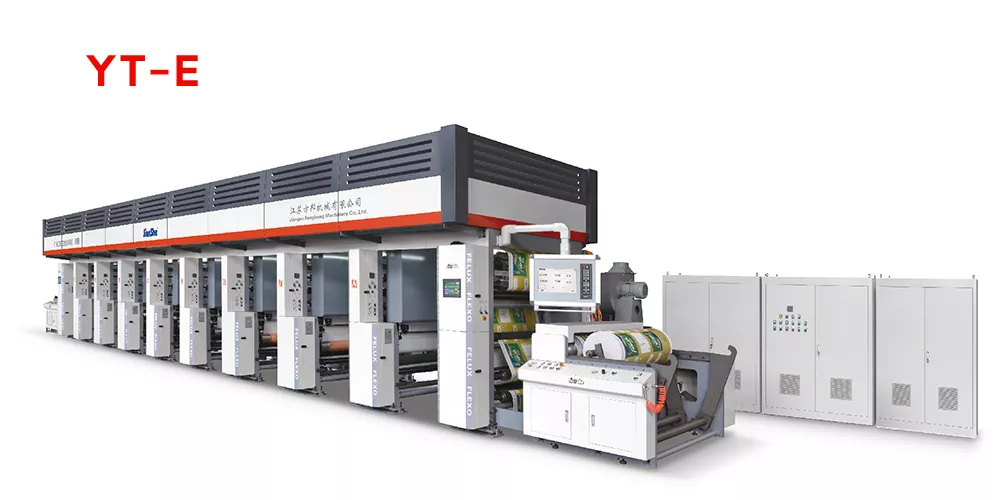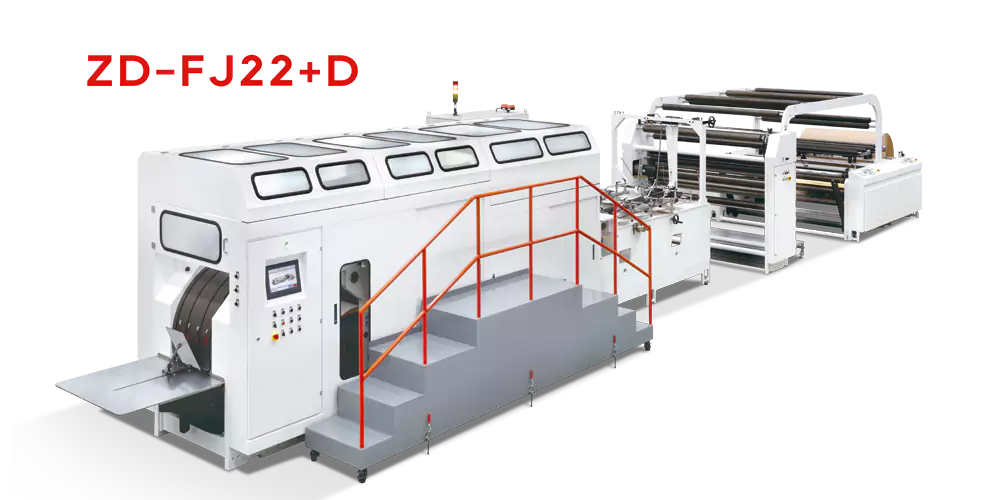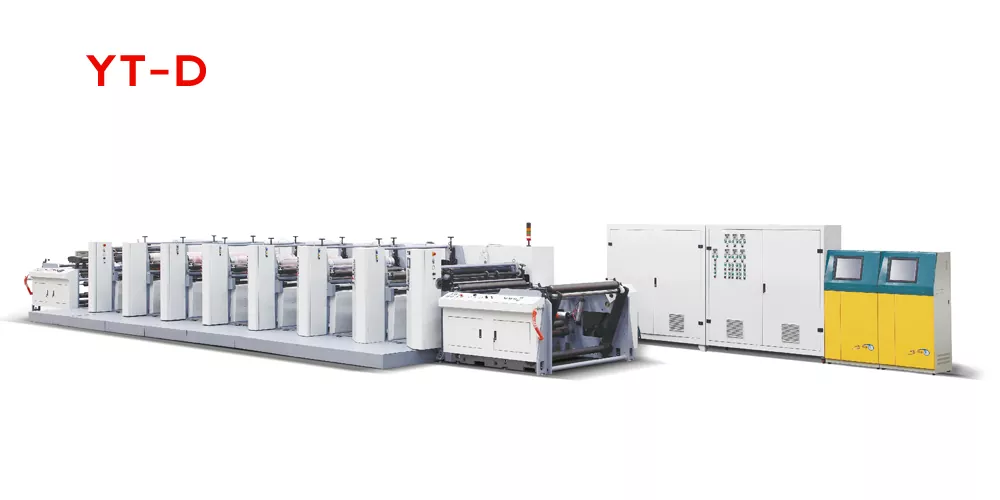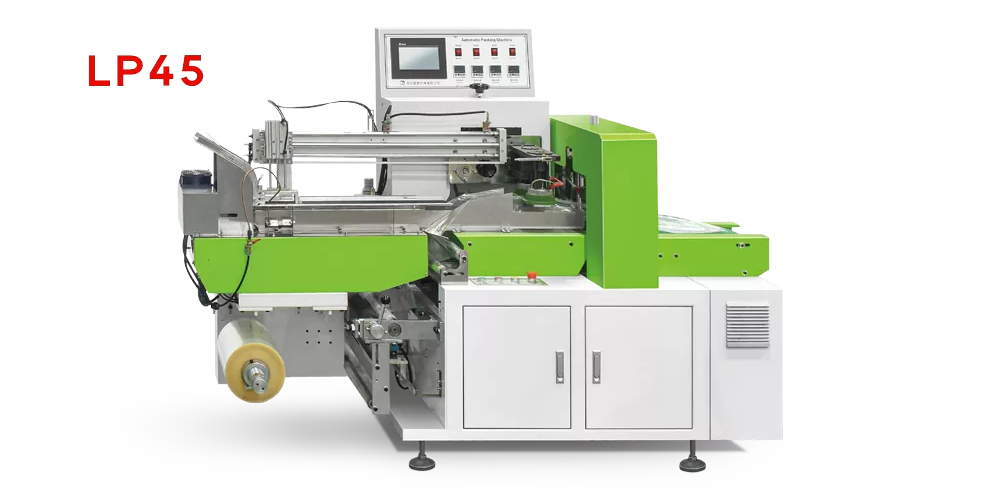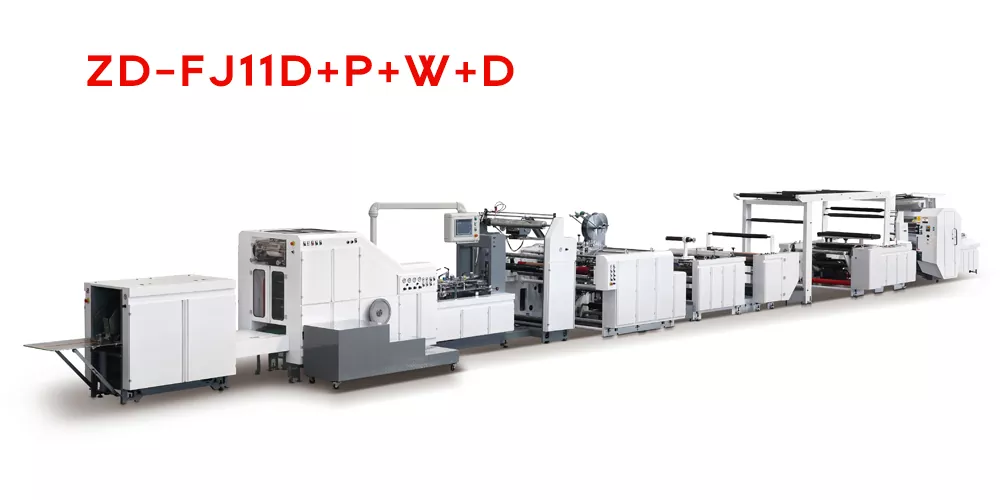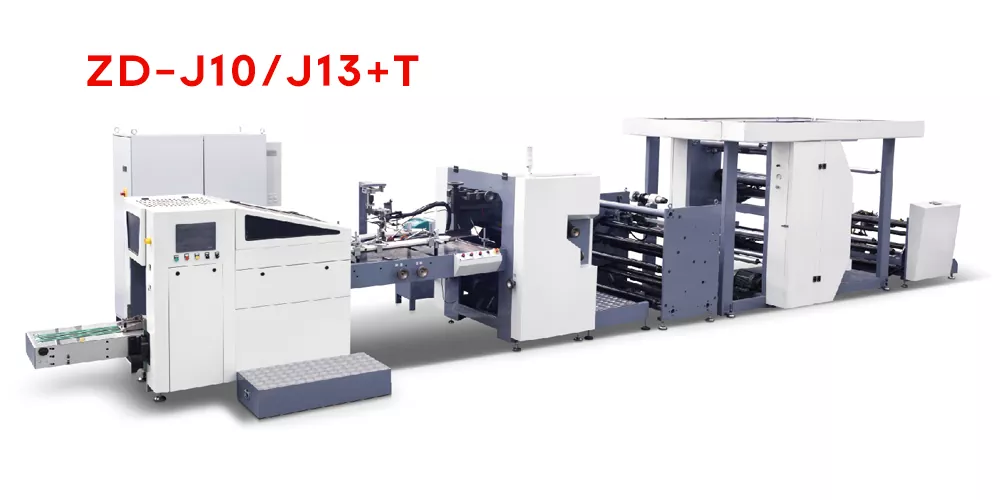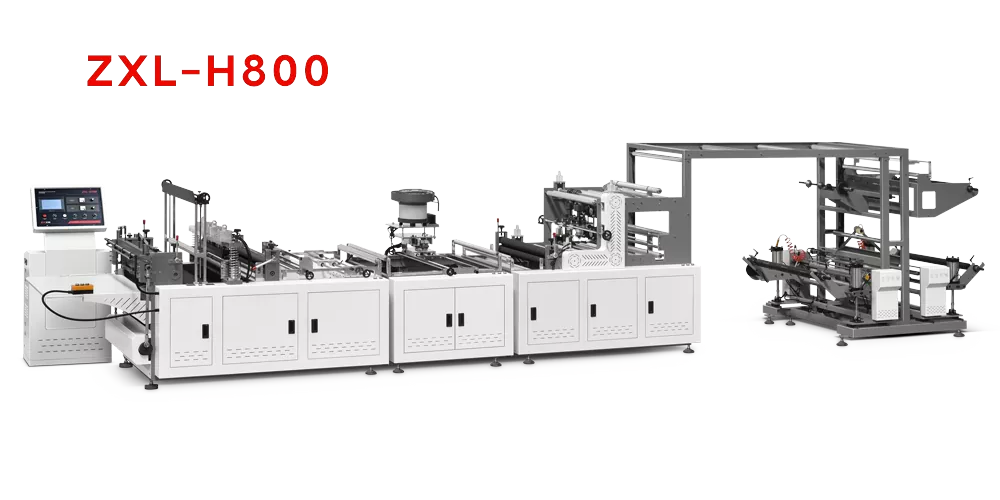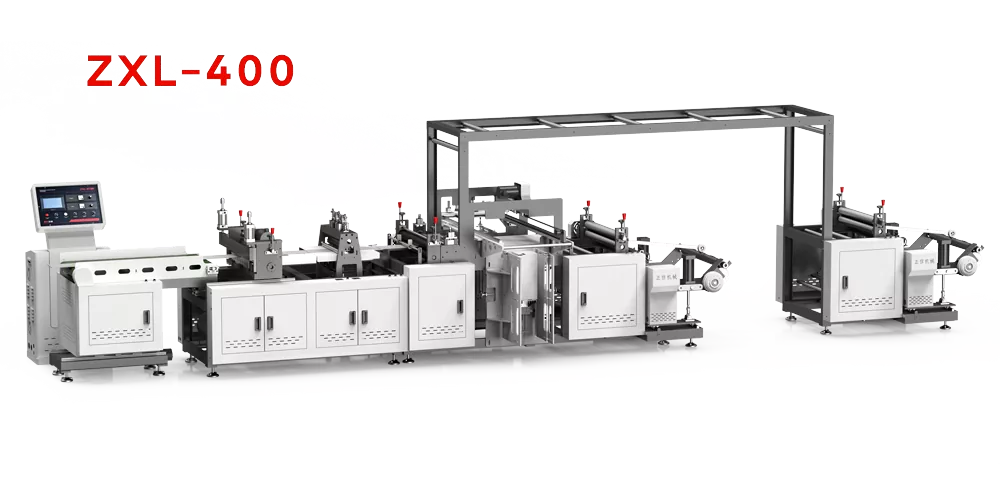

The growing demand for eco-friendly packaging has accelerated the development of non-woven bag manufacturing technology. A Non-Woven Bag Making Machine provides manufacturers with an efficient, automated, and cost-effective solution for producing reusable shopping bags, promotional bags, medical bags, and customized packaging products. This article explains how these machines work, their benefits, production impact, key features, and how choosing the right equipment can help businesses overcome common manufacturing challenges.
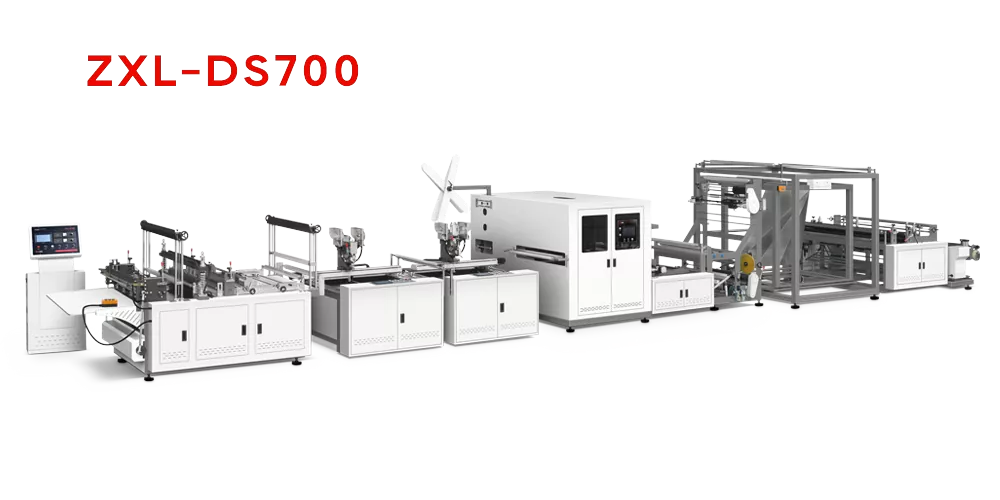
Table of Contents
- 1. What Is a Non-Woven Bag Making Machine?
- 2. Common Challenges in Non-Woven Bag Manufacturing
- 3. How Does a Non-Woven Bag Making Machine Work?
- 4. Key Benefits of Using Advanced Bag Making Equipment
- 5. Important Features to Consider Before Purchasing
- 6. Applications and Market Opportunities
- 7. Traditional Production vs Automated Production
- 8. How to Improve Machine Performance and Lifespan
- 9. Frequently Asked Questions
- 10. Conclusion
What Is a Non-Woven Bag Making Machine?
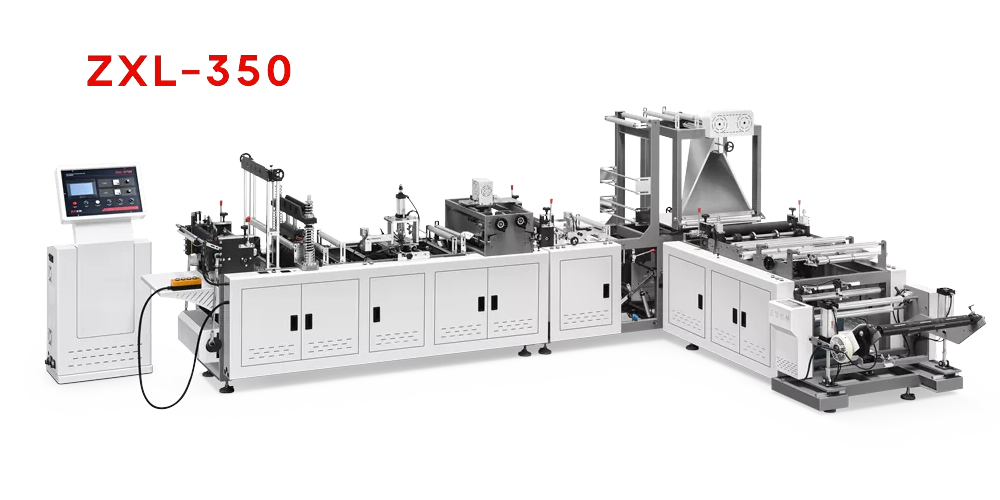
A Non-Woven Bag Making Machine is specialized equipment designed to transform non-woven fabric rolls into finished bags through automatic processes including feeding, cutting, folding, sealing, handle attachment, and packaging. Unlike traditional manual production methods, modern machines integrate advanced control systems to achieve higher efficiency, stable quality, and lower labor costs.
Non-woven bags have become increasingly popular because they are lightweight, durable, recyclable, and suitable for repeated use. They are widely applied in supermarkets, retail stores, exhibitions, healthcare industries, agriculture, and promotional campaigns.
With increasing environmental awareness worldwide, manufacturers need reliable production solutions that can meet large-volume orders while maintaining consistent product quality. A professional Non-Woven Bag Making Machine helps companies achieve these goals by improving production speed and reducing operational difficulties.
Common Challenges in Non-Woven Bag Manufacturing
Many bag manufacturers face several production problems when relying on outdated equipment or manual operations. These issues directly affect productivity, product quality, and profitability.
| Manufacturing Challenge | Impact on Business | Machine-Based Solution |
|---|---|---|
| High labor dependency | Increased production costs and unstable output | Automatic production reduces manual operations |
| Inconsistent bag quality | Customer complaints and material waste | Precise control systems ensure stable results |
| Slow production speed | Difficult to handle bulk orders | High-speed operation improves capacity |
| Material waste | Higher manufacturing expenses | Optimized cutting reduces fabric loss |
Selecting suitable equipment is essential for solving these challenges and creating a more competitive manufacturing process.
How Does a Non-Woven Bag Making Machine Work?
A modern Non-Woven Bag Making Machine completes multiple manufacturing steps automatically. Although different models may have different configurations, the general production process includes the following stages:
- Fabric Feeding: The machine automatically feeds non-woven fabric rolls into the production system.
- Printing or Positioning: Some machines support printing alignment for customized designs.
- Cutting: Precision cutting systems divide fabric into required bag sizes.
- Bag Forming: The machine folds and shapes fabric according to the bag structure.
- Sealing: Ultrasonic or heat sealing technology creates strong connections.
- Handle Installation: Handles are attached automatically depending on bag requirements.
- Collection: Finished bags are counted and collected for packaging.
Key Benefits of Using Advanced Bag Making Equipment
Investing in a reliable Non-Woven Bag Making Machine creates significant advantages for manufacturers seeking long-term growth.
| Benefit | Description |
|---|---|
| Higher Production Efficiency | Automation allows continuous operation and faster output compared with manual methods. |
| Lower Production Costs | Reduced labor requirements help control manufacturing expenses. |
| Better Product Consistency | Advanced systems maintain accurate dimensions and sealing quality. |
| Flexible Customization | Machines can produce different sizes, designs, and bag styles. |
| Reduced Material Waste | Precise cutting improves material utilization. |
Important Features to Consider Before Purchasing
Choosing the correct machine requires careful evaluation of production requirements, product types, and future business plans.
- Automation Level: Fully automatic machines are ideal for large-scale production.
- Production Speed: Higher output capacity helps businesses handle bigger orders.
- Bag Compatibility: The machine should support various bag styles.
- Control System: User-friendly interfaces improve operation efficiency.
- Energy Efficiency: Low energy consumption reduces long-term costs.
- After-Sales Support: Professional technical service ensures stable operation.
Applications and Market Opportunities
Non-woven bags have developed from simple shopping bags into versatile packaging products. The increasing demand creates opportunities across multiple industries.
| Industry | Typical Applications |
|---|---|
| Retail | Reusable shopping bags and supermarket packaging |
| Advertising | Customized promotional bags for brands and events |
| Healthcare | Medical protection and disposable packaging products |
| Agriculture | Plant protection and storage bags |
| Fashion | Eco-friendly packaging for clothing products |
Traditional Production vs Automated Production
| Comparison | Traditional Manufacturing | Automated Machine Production |
|---|---|---|
| Production Speed | Limited by manual operation | High-speed continuous production |
| Labor Requirement | Requires many workers | Reduced workforce dependency |
| Quality Control | Depends on worker skills | Controlled by precise systems |
| Large Orders | Difficult to manage | Suitable for bulk production |
How to Improve Machine Performance and Lifespan?
Proper maintenance ensures stable production and extends equipment service life. Manufacturers should establish regular inspection procedures.
- Clean fabric residues and dust regularly.
- Check sealing components and cutting blades periodically.
- Maintain electrical systems according to manufacturer recommendations.
- Train operators to use the equipment correctly.
- Replace worn parts before they affect production quality.
Frequently Asked Questions
Q1: What products can be produced by a Non-Woven Bag Making Machine?
The machine can produce shopping bags, tote bags, promotional bags, medical bags, gift bags, and other customized non-woven products.
Q2: Is a Non-Woven Bag Making Machine suitable for small businesses?
Yes. Different models are available for various production capacities, allowing small and medium manufacturers to choose suitable solutions.
Q3: How can manufacturers improve production efficiency?
Using automated equipment, optimizing raw materials, and performing regular maintenance can significantly improve production efficiency.
Q4: Why choose an experienced machine supplier?
An experienced supplier can provide reliable equipment, technical guidance, customization options, and long-term service support.
Conclusion
A Non-Woven Bag Making Machine plays an important role in modern sustainable packaging production. By improving automation, reducing costs, and ensuring consistent quality, it helps manufacturers meet growing market demands while maintaining competitiveness.
For businesses looking for reliable non-woven bag manufacturing solutions, EZ Tech Group provides professional equipment designed for efficient and stable production. With advanced technology and industry experience, EZ Tech Group helps customers build smarter production systems and achieve better manufacturing results.
Looking for a reliable Non-Woven Bag Making Machine supplier? Contact us today to discuss your production requirements and discover the right solution for your business.