News

How Does a Double Feeding Non Woven Bag Making Machine Improve Production Efficiency?

2026-08-26 0 Leave me a message

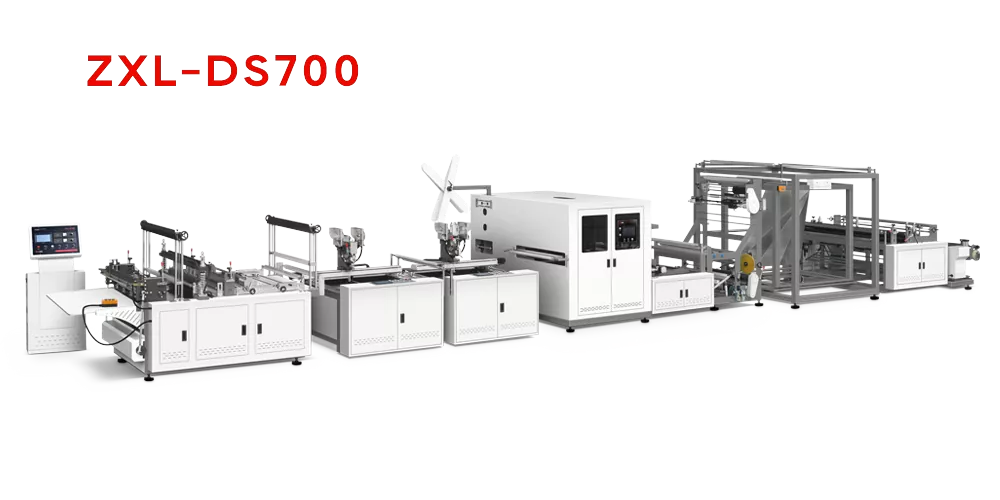
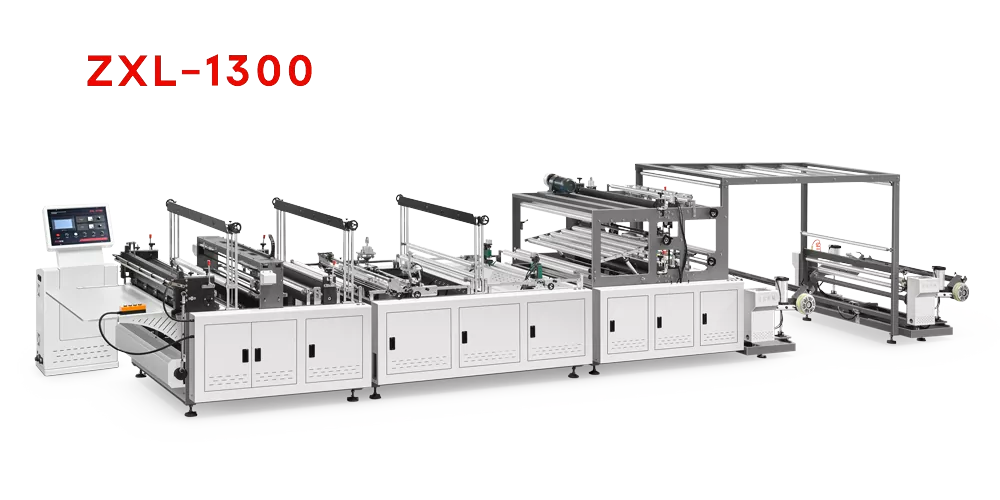
A double feeding non woven bag making machine is designed to improve the continuity and efficiency of non woven bag production by using a dual feeding structure. Compared with conventional single-feeding equipment, it can provide manufacturers with greater flexibility in material feeding, more stable production, and better utilization of machine capacity. This guide explains the working principle, production advantages, important machine features, suitable applications, quality considerations, maintenance requirements, and purchasing factors that buyers should evaluate before investing in equipment.

double feeding non woven bag making machine

Table of Contents

  1. What Is a Double Feeding Non Woven Bag Making Machine?
  2. How the Double Feeding System Works
  3. Production Advantages
  4. Applications and Suitable Bag Types
  5. Important Machine Features
  6. How It Supports Consistent Bag Quality
  7. Double Feeding vs. Single Feeding
  8. What Buyers Should Evaluate
  9. Maintenance and Production Management
  10. Frequently Asked Questions
  11. Final Considerations

What Is a Double Feeding Non Woven Bag Making Machine?

A double feeding non woven bag making machine is specialized equipment used to manufacture reusable bags from non woven fabric. Its defining characteristic is a dual feeding configuration that allows the production system to handle feeding operations more efficiently than a basic single-feeding arrangement.

Non woven bags are widely used for shopping, promotional campaigns, packaging, retail distribution, agriculture, and everyday carrying applications. As demand for reusable packaging continues to increase, manufacturers need equipment that can deliver consistent output without making production unnecessarily complicated.

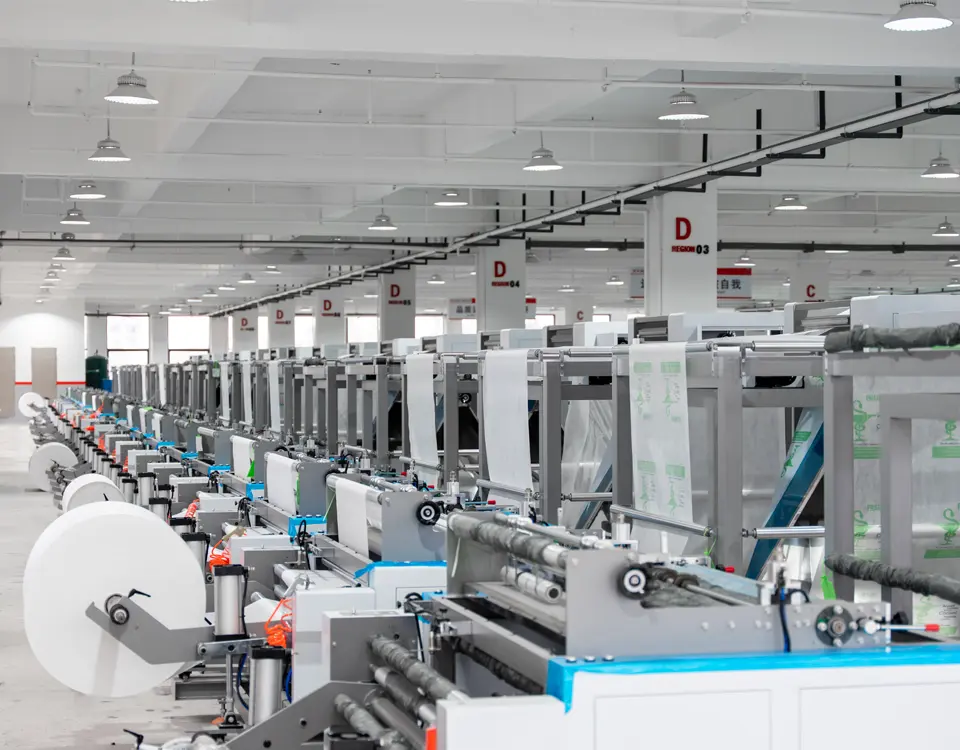
The machine typically integrates several processes into one production line, including fabric feeding, material positioning, folding or forming, cutting, sealing, handle processing, and bag shaping. Depending on the machine configuration, manufacturers can produce different bag dimensions and styles while maintaining repeatable production parameters.

Key point: The value of a double feeding system is not simply having two material inputs. The real benefit comes from coordinating feeding, forming, cutting, and sealing processes so that the available production capacity can be used more effectively.

How the Double Feeding System Works

The exact configuration varies according to machine design, but the basic production concept is straightforward. Non woven fabric is supplied through the feeding system, where rollers or other guiding components help maintain stable material movement. The dual feeding structure provides an additional feeding path or coordinated feeding capability according to the machine's intended production process.

Once the material enters the forming section, the control system coordinates fabric positioning with cutting, sealing, and bag forming operations. Accurate synchronization is important because even a small feeding deviation can affect handle position, bag dimensions, seam alignment, and overall appearance.

  1. Fabric feeding: Non woven material enters the machine through controlled feeding units.
  2. Material alignment: Guiding components help maintain a stable fabric path.
  3. Bag forming: The fabric is folded or positioned according to the selected bag design.
  4. Cutting and sealing: Automated components form individual bags and create the required seams.
  5. Handle processing: Depending on the configuration, handles can be cut, attached, or formed automatically.
  6. Finished bag output: Completed bags are discharged for inspection, counting, packing, or further processing.

Production Advantages of Double Feeding Equipment

For manufacturers handling medium- or high-volume orders, machine efficiency directly affects production costs, delivery schedules, and the ability to accept new business. A well-designed double feeding machine can provide several practical advantages.

Higher Production Utilization

Dual feeding capability can help keep the forming and bag-making process supplied with material, reducing unnecessary idle time when the system is properly configured.

Better Workflow

Integrated feeding and forming functions reduce the need for repeated manual intervention during normal production.

Stable Material Handling

Controlled feeding and guiding mechanisms help maintain fabric alignment, which is particularly important for bags requiring accurate dimensions.

Lower Labor Dependence

Automation can reduce repetitive manual work and allow operators to focus more on machine monitoring and quality control.

However, actual output depends on many variables, including bag dimensions, fabric thickness, machine configuration, operator experience, sealing method, and production settings. Buyers should therefore compare complete production specifications rather than relying on a single advertised speed figure.

Applications and Suitable Bag Types

Double feeding non woven bag making equipment can be used for a broad range of reusable bag products. The most suitable applications depend on the machine's forming structure, size range, sealing technology, and available customization functions.

Bag Application Typical Requirements Production Consideration
Shopping Bags Strong seams and practical handles Stable dimensions and reliable sealing
Promotional Bags Consistent appearance and customized sizes Flexible production settings
Retail Packaging Bags Repeatable dimensions and clean edges Precise cutting and feeding
Reusable Carry Bags Durability and comfortable handles Strong forming and sealing performance

Important Machine Features to Look For

A productive machine needs more than a double feeding configuration. Buyers should examine the entire production system to determine whether the equipment can meet their actual manufacturing requirements.

  • Precise feeding control: Stable fabric feeding reduces wrinkles, deviation, and inconsistent bag dimensions.
  • Reliable sealing: Sealing quality directly influences bag strength and finished appearance.
  • Accurate cutting: Consistent cutting helps maintain repeatable bag sizes and clean edges.
  • User-friendly controls: A clear control interface makes parameter adjustment and daily operation easier.
  • Automatic counting: Integrated counting can simplify production records and packaging preparation.
  • Adjustable production parameters: Flexibility is useful when manufacturers produce different sizes or styles.
  • Safety protection: Emergency stops, protective covers, sensors, and suitable electrical protection are important for industrial operation.
  • Accessible maintenance points: Easy access to wear components can shorten routine service time.

How It Supports Consistent Bag Quality

Production speed is valuable only when finished bags meet customer requirements. Inconsistent feeding can create several downstream problems, including uneven cutting, inaccurate handle placement, irregular seams, and dimensional variation.

A properly calibrated feeding system keeps the fabric path stable while sensors, rollers, controllers, and forming components work together. Operators should monitor fabric tension, alignment, sealing temperature or pressure where applicable, cutting position, and the condition of consumable components.

Practical quality tip: Before starting a large production order, run a sample batch and inspect bag dimensions, seam strength, handle position, cutting quality, and overall appearance. This simple step can prevent a large quantity of defective products.

Double Feeding vs. Single Feeding

The right choice depends on production volume, product variety, available floor space, labor costs, and the manufacturer's investment plan. The following comparison provides a practical starting point.

Factor Double Feeding Machine Single Feeding Machine
Feeding Configuration Dual feeding capability Single feeding path
Production Potential Well suited to higher-throughput requirements Suitable for simpler production needs
Flexibility Can offer broader production capability depending on design Generally simpler configuration
Investment Typically higher initial investment Usually lower entry cost
Best Fit Growing and high-volume manufacturers Smaller or less demanding production operations

What Buyers Should Evaluate Before Purchasing

Choosing industrial equipment based only on a quoted production speed can lead to unexpected problems. A more reliable purchasing decision considers the entire production process.

  1. Define the target products. Confirm the bag sizes, handle styles, fabric types, thicknesses, and designs you plan to manufacture.
  2. Check the real production capacity. Ask how output changes when producing different bag dimensions and configurations.
  3. Review material compatibility. Confirm that the machine can handle the non woven fabric specifications used in your factory.
  4. Evaluate automation. Determine which operations are automatic and which still require manual intervention.
  5. Check machine construction. Frame stability, component quality, electrical systems, and transmission design all influence long-term performance.
  6. Consider maintenance. Ask about replacement parts, service procedures, lubrication requirements, and technical support.
  7. Calculate total operating cost. Include energy consumption, labor, maintenance, consumables, downtime, and expected service life.

Maintenance and Production Management

Even a well-engineered machine requires proper maintenance. Feeding rollers, cutting components, sealing components, sensors, belts, bearings, and other wear parts should be inspected according to operating conditions and manufacturer recommendations.

Operators should also keep the fabric path clean and check whether material dust or debris is affecting sensors and moving components. Abnormal noise, feeding deviation, repeated cutting errors, or unstable sealing should be investigated before they develop into larger production problems.

Daily

Check fabric feeding, alignment, machine cleanliness, safety devices, and unusual operating conditions.

Regularly

Inspect moving parts, fasteners, sensors, cutting tools, rollers, belts, and sealing components.

Long Term

Maintain service records and replace worn components before they cause unexpected downtime.
Frequently Asked Questions

What materials can a non woven bag making machine process?

The suitable material range depends on the specific machine configuration. Many machines are designed for common polypropylene non woven fabrics, but buyers should confirm fabric thickness, width, weight, and other material specifications with the manufacturer before ordering.

Is a double feeding machine suitable for small factories?

It can be, but the investment should match actual production requirements. If order volume is expected to grow or several bag products must be produced, the additional feeding capability may provide useful capacity. For very small production volumes, a simpler machine may be more economical.

Does double feeding automatically mean double production speed?

Not necessarily. Production speed is determined by the complete machine structure, bag dimensions, feeding synchronization, cutting and sealing cycles, material characteristics, and other operating conditions. Double feeding can improve production capability, but actual output must be evaluated as a complete system.

What should I provide when requesting a machine quotation?

Provide your target bag dimensions, fabric specifications, expected production volume, bag style, handle type, power requirements, preferred automation level, and destination country. Sample bags or drawings are also useful when available.

How can I reduce downtime during production?

Preventive maintenance, correct machine settings, operator training, timely replacement of wear parts, clean material paths, and proper troubleshooting procedures can all help reduce unplanned downtime.

Final Considerations

A double feeding non woven bag making machine can be a valuable investment for manufacturers seeking greater production capability, stable material handling, and a more automated workflow. Its advantages become especially meaningful when the machine is correctly matched with the required bag styles, fabric specifications, production volume, and quality standards.

The most effective purchasing decision is therefore not simply about selecting the machine with the highest advertised speed. Buyers should examine feeding accuracy, forming performance, sealing quality, automation, machine construction, maintenance requirements, technical support, and long-term operating costs as a complete package.

If you are planning to expand your non woven bag production or need equipment matched to specific bag sizes and materials, EZ Tech Group can help you evaluate suitable machine configurations. Contact us with your bag specifications and production requirements to discuss an appropriate solution for your factory.


Related News
Leave me a message
X
We use cookies to offer you a better browsing experience, analyze site traffic and personalize content. By using this site, you agree to our use of cookies.Privacy Policy
RejectAccept