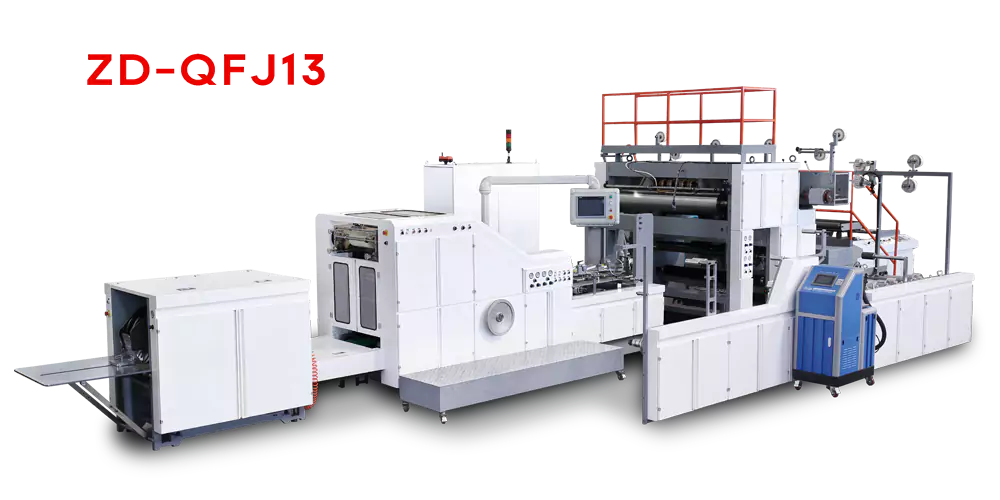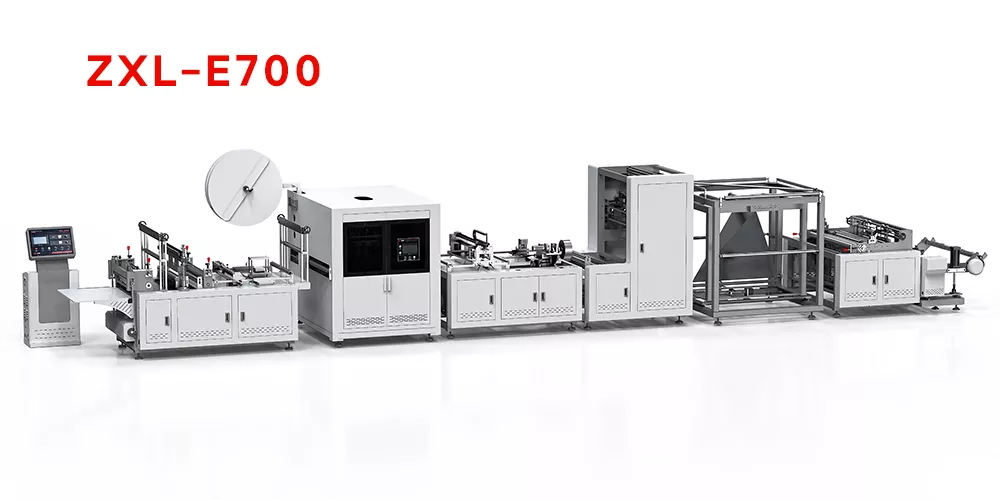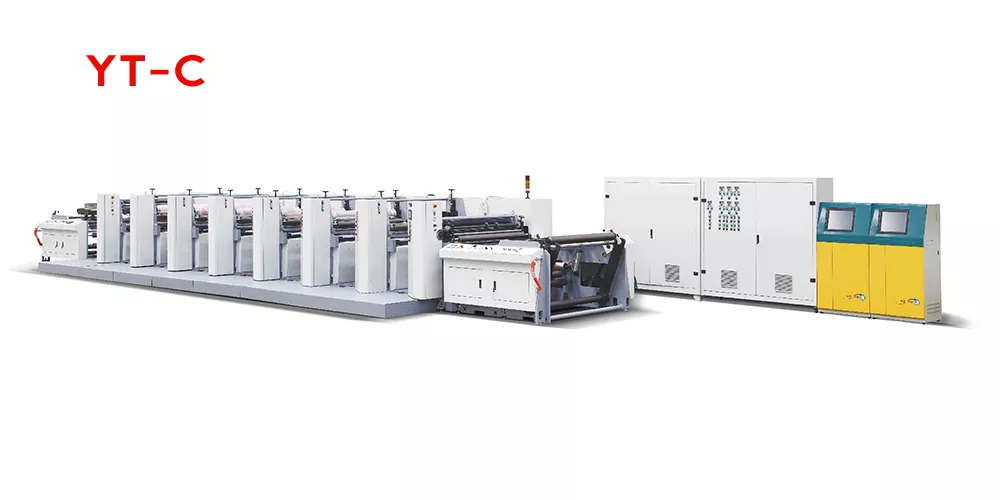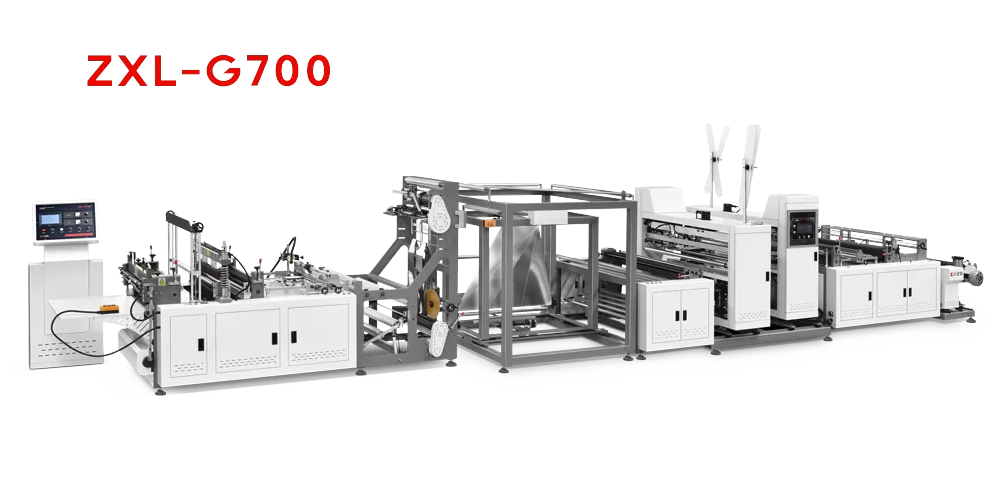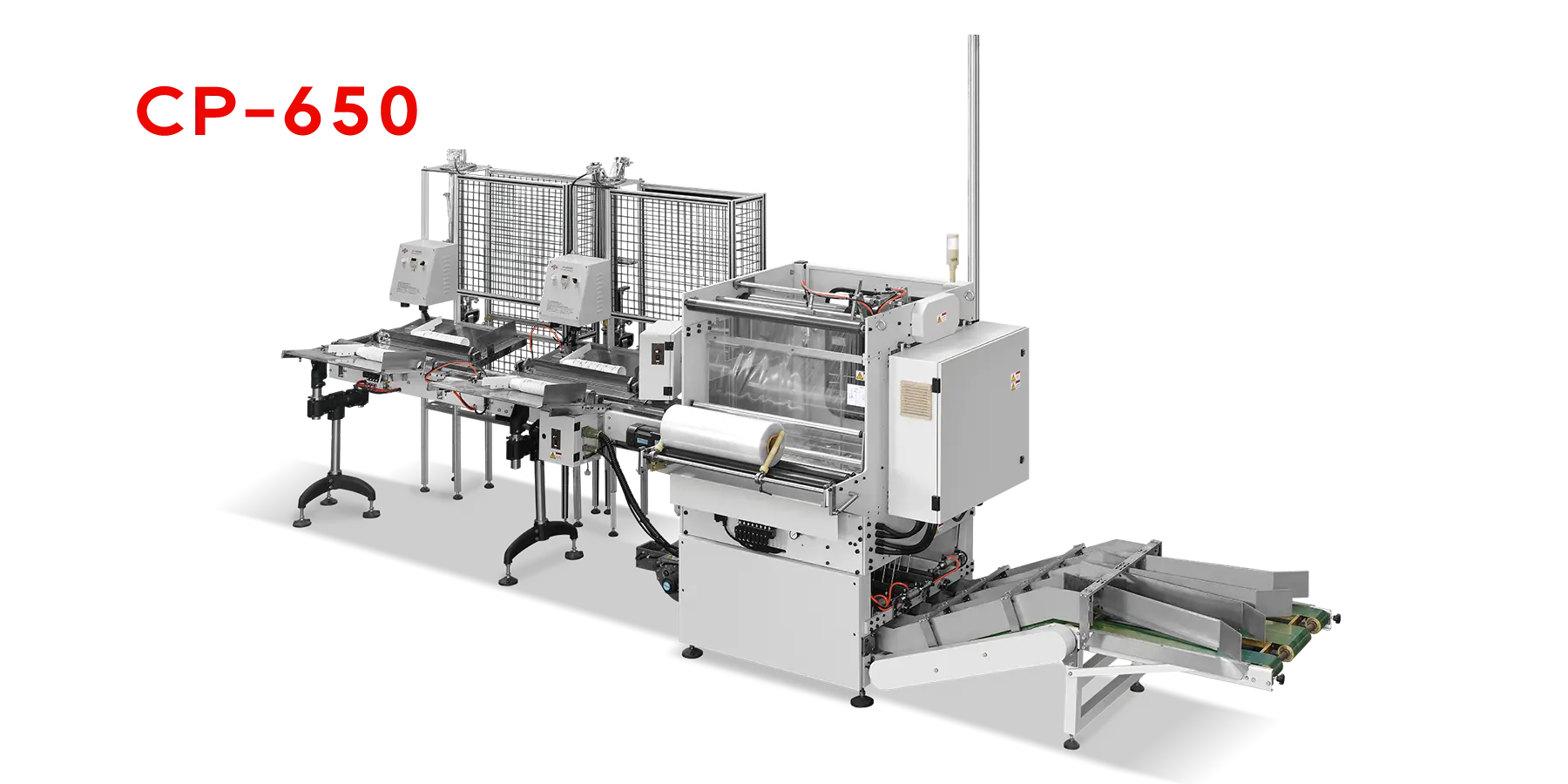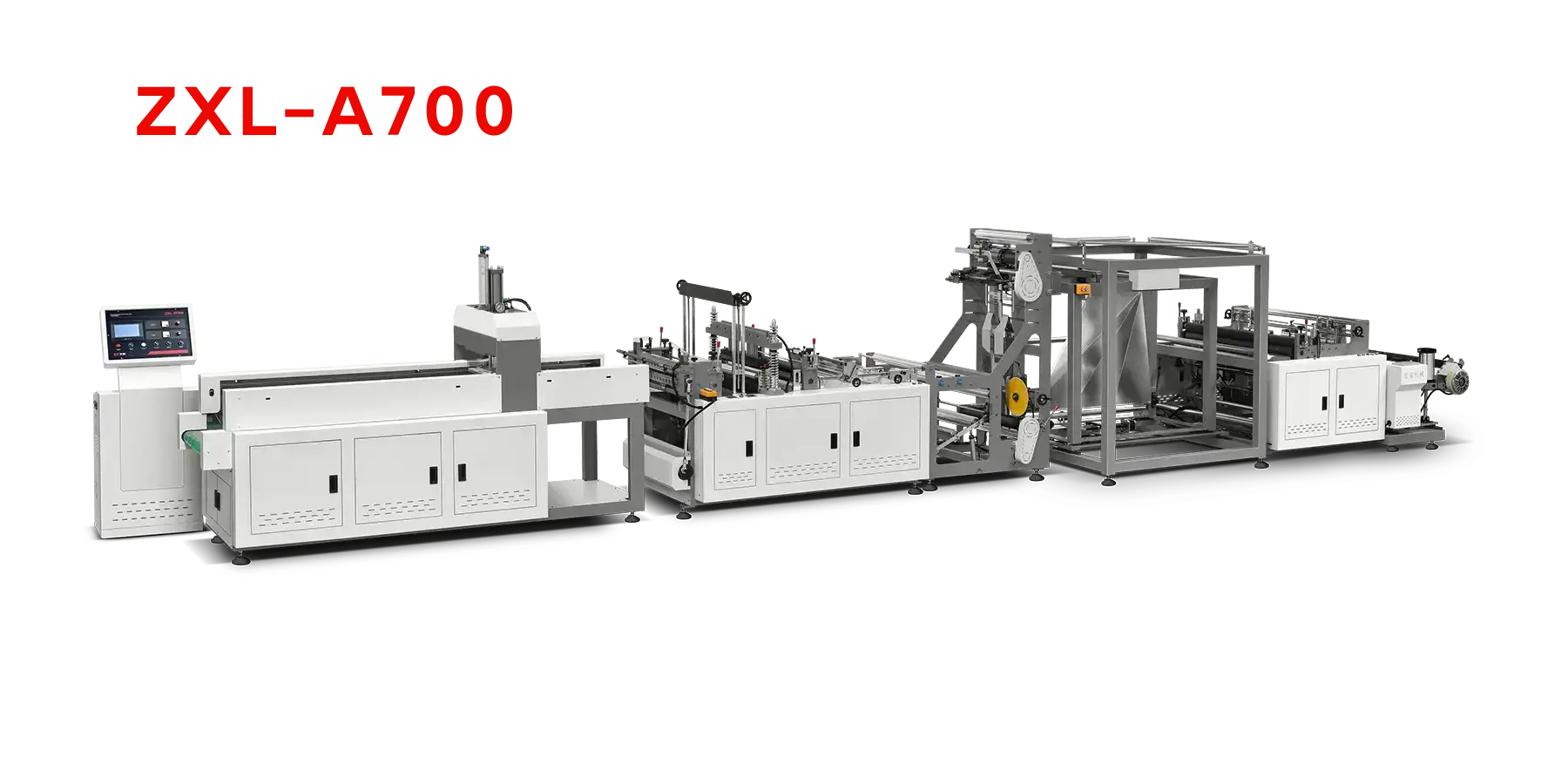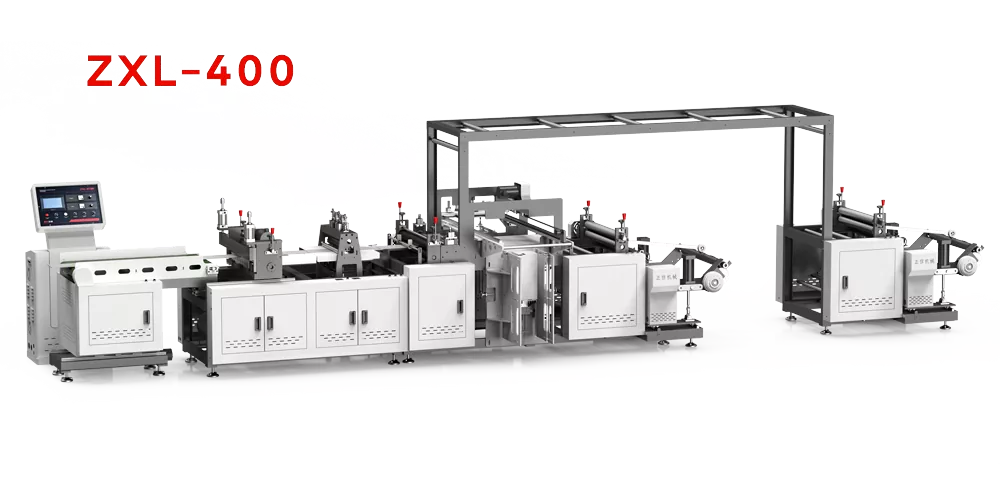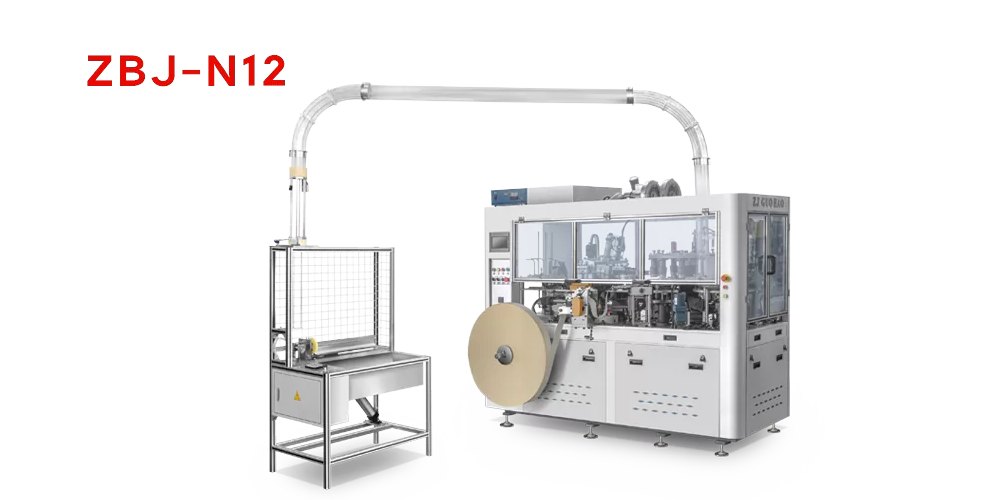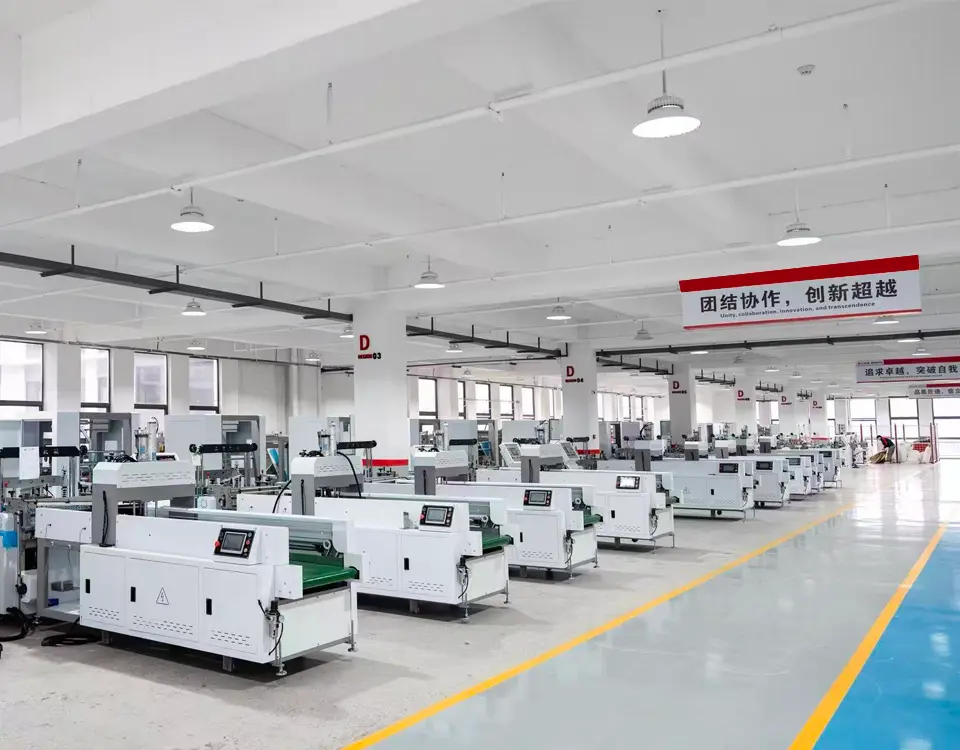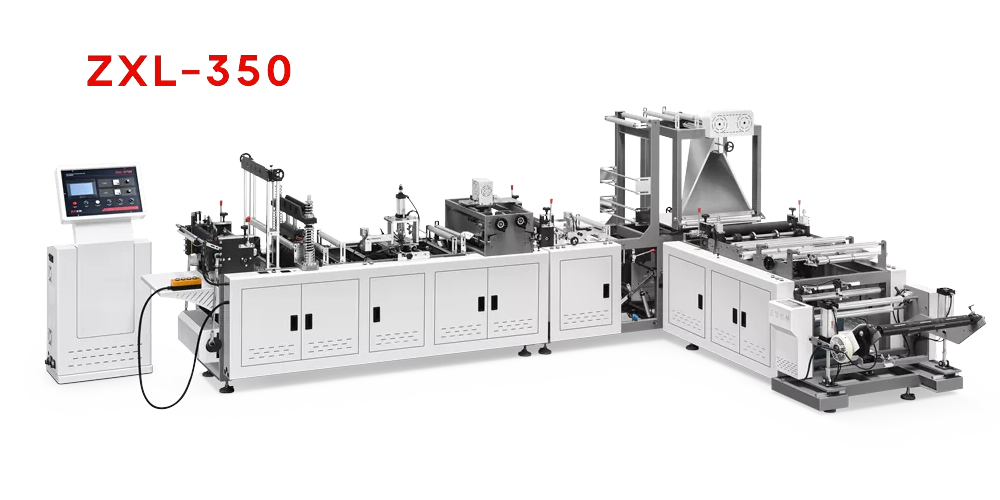

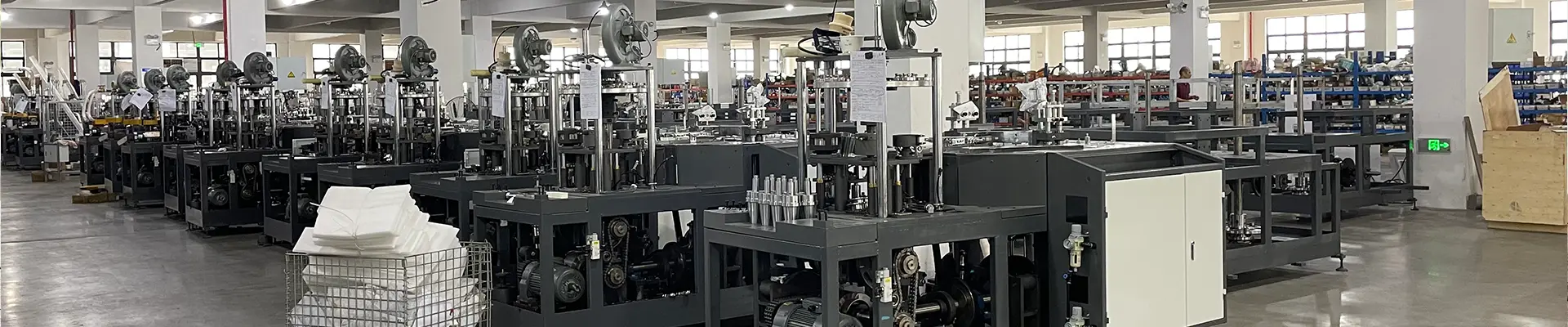
A non-woven fruit bag making machine provides an efficient way to manufacture protective bags used for fruit cultivation and orchard management. Compared with manual bag production, automated manufacturing can improve dimensional consistency, production speed, material utilization, and overall process control. This article explains how the machine works, which technical factors matter when purchasing one, what common production problems should be avoided, and how manufacturers can build a more reliable fruit-bag production workflow.
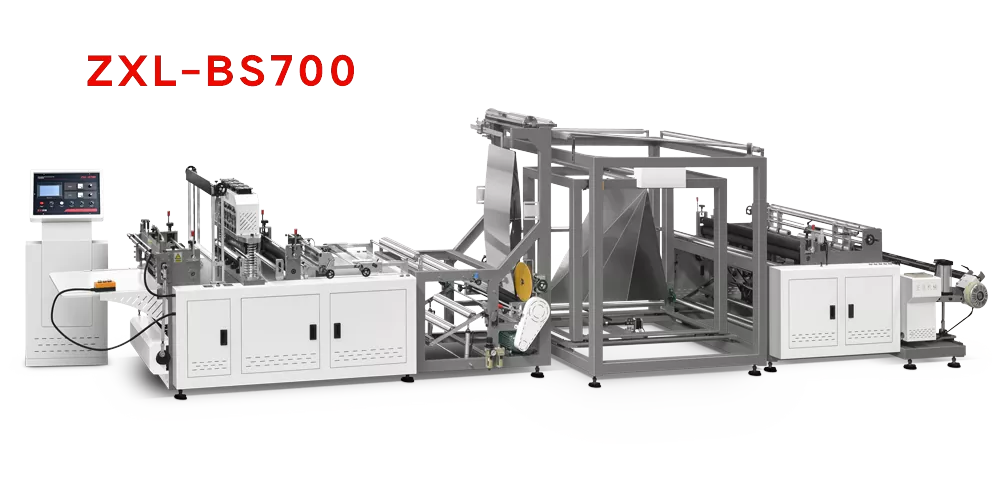
Table of Contents
- Why Non-Woven Fruit Bags Matter in Modern Orchard Management
- What a Non-Woven Fruit Bag Making Machine Does
- How the Production Process Works
- Key Machine Features Buyers Should Evaluate
- Important Production Parameters
- Common Problems and Practical Solutions
- Non-Woven Material Selection for Fruit Bags
- How Automation Can Improve Production Efficiency
- Maintenance and Quality Control
- Purchasing Checklist for Manufacturers
- Frequently Asked Questions
- Conclusion
Why Non-Woven Fruit Bags Matter in Modern Orchard Management
Fruit growers need effective ways to protect developing fruit from insects, birds, excessive sunlight, wind, dust, and other environmental factors. Fruit bagging is a practical cultivation method because individual fruits or fruit clusters can be covered during critical stages of growth.
Non-woven fabric has become a useful material for this application because it can provide a lightweight protective layer while allowing air and moisture to move through the material. The exact performance depends on fabric structure, thickness, treatment, bag design, and the growing environment.
For commercial orchards and agricultural-product suppliers, however, producing thousands or millions of bags manually can create several challenges:
- Inconsistent bag dimensions from one batch to another
- High labor requirements
- Slow production during peak demand periods
- Uneven cutting or sealing
- Difficulty maintaining stable quality at high volumes
- Higher production costs caused by inefficient material handling
A properly configured Non-Woven Fruit Bag Making Machine addresses many of these issues by integrating fabric feeding, cutting, forming, sealing, and other production operations into a more controlled manufacturing process.
What a Non-Woven Fruit Bag Making Machine Does
A Non-Woven Fruit Bag Making Machine is designed to convert rolls of non-woven fabric into finished fruit-protection bags. Depending on the machine configuration and final product requirements, the production line may perform several operations automatically.
| Production Stage | Primary Function | Quality Consideration |
|---|---|---|
| Material Feeding | Feeds the non-woven roll into the production system | Stable tension and accurate alignment |
| Fabric Positioning | Keeps the material correctly aligned during processing | Prevents skewed bags and uneven edges |
| Cutting | Divides continuous fabric into predetermined sections | Consistent dimensions and clean edges |
| Folding/Forming | Creates the required bag structure | Accurate positioning of folds and seams |
| Sealing or Sewing | Creates the finished bag body | Strong and uniform joining points |
| Output | Collects finished fruit bags | Easy counting, packing, and handling |
The exact configuration should be matched to the bag's construction. A simple protective sleeve may require a very different process from a drawstring-style fruit bag or a bag with additional openings, reinforced sections, or customized printing.
How the Production Process Works
Although machine designs vary, a typical manufacturing workflow follows a logical sequence from raw material to finished bag.
- Loading the fabric roll: The operator installs the non-woven fabric roll and checks its width, weight, and surface condition.
- Material feeding: The fabric enters the machine through a controlled feeding system.
- Alignment: The fabric is kept in the correct position to minimize dimensional deviations.
- Cutting: The machine cuts the material according to the programmed bag dimensions.
- Bag forming: The cut fabric is folded or shaped according to the required construction.
- Joining: Sealing or sewing creates the necessary seams and connections.
- Finishing: Additional operations, such as punching or attachment of closures, may be incorporated depending on the machine.
- Collection: Finished bags are discharged for inspection, counting, and packaging.
The biggest advantage of an integrated process is consistency. Instead of relying on several independent manual operations, manufacturers can establish repeatable production parameters and reduce unnecessary handling between stages.
Practical Tip: Before purchasing equipment, prepare samples of the actual fruit bags you want to manufacture. A machine that performs well with one bag structure may require different tooling or configuration for another design.
Key Machine Features Buyers Should Evaluate
Machine speed alone should not determine the purchasing decision. A high-speed machine that frequently stops or produces excessive defective bags may deliver less usable output than a slightly slower but stable system.
- Stable fabric feeding: Consistent material movement helps maintain bag dimensions.
- Accurate cutting: Precise cutting is important when bags must meet specific size requirements.
- Reliable sealing or joining: Weak seams can cause bags to open during orchard use.
- Adjustable parameters: Flexible settings make it easier to manufacture different bag sizes.
- Easy operation: A straightforward control interface can reduce operator training time.
- Quick adjustment: Efficient changeovers are valuable when customers require multiple specifications.
- Safety protection: Guards, emergency-stop functions, and appropriate electrical protection should be considered.
- Accessible maintenance points: Routine inspection should not require unnecessarily complicated disassembly.
For manufacturers serving different agricultural markets, flexibility can be especially valuable. Fruit species, orchard practices, climate conditions, and customer preferences can all influence the required bag dimensions and construction.
Important Production Parameters
Before comparing different machines, buyers should define the technical requirements of their production plan.
| Parameter | Why It Matters |
|---|---|
| Bag Length | Determines the usable coverage area for the fruit. |
| Bag Width | Affects compatibility with different fruit sizes and growth stages. |
| Fabric Thickness | Influences strength, weight, breathability, and machine compatibility. |
| Production Speed | Determines potential output during normal operation. |
| Cutting Accuracy | Helps maintain consistent product dimensions. |
| Seam Strength | Important for keeping bags intact during outdoor use. |
| Changeover Time | Influences productivity when producing multiple specifications. |
| Material Waste | Directly affects the cost of each finished bag. |
It is also useful to distinguish between machine speed and effective production output. Effective output depends on operating stability, changeover time, material loading, maintenance, rejected products, and operator efficiency.
Common Problems and Practical Solutions
Even a well-designed production system can experience problems if materials, settings, and maintenance procedures are not properly controlled.
| Common Issue | Possible Cause | Recommended Action |
|---|---|---|
| Uneven bag size | Incorrect feeding or cutting settings | Check alignment, tension, and cutting parameters |
| Weak seams | Incorrect joining temperature, pressure, or process settings | Adjust parameters according to material characteristics |
| Fabric shifting | Unstable tension or incorrect roll positioning | Inspect feeding and alignment mechanisms |
| Excessive waste | Poor cutting layout or inaccurate adjustment | Optimize cutting dimensions and material positioning |
| Frequent downtime | Insufficient maintenance or unsuitable material | Establish preventive maintenance and verify fabric specifications |
Production records can help identify recurring problems. Tracking rejected pieces, downtime, material consumption, and maintenance events allows manufacturers to identify whether a problem is caused by the machine, material, process settings, or operator procedures.
Non-Woven Material Selection for Fruit Bags
Machine performance cannot be separated from material quality. Non-woven fabrics with different weights, structures, strengths, and surface characteristics may behave differently during feeding, cutting, folding, and joining.
When evaluating material, manufacturers should consider:
- Fabric weight and thickness
- Tensile and tear strength
- Air permeability
- Moisture behavior
- Resistance to outdoor conditions
- Fabric width consistency
- Roll winding quality
- Compatibility with the selected joining method
For agricultural applications, the final bag should also be evaluated under actual field conditions. A bag that looks acceptable during factory inspection may behave differently after exposure to wind, rain, sunlight, humidity, and repeated handling.
How Automation Can Improve Production Efficiency
Automation is most valuable when it solves a specific production bottleneck. For fruit-bag manufacturers, that bottleneck may be labor availability, inconsistent dimensions, limited production capacity, or difficulty maintaining quality during seasonal demand peaks.
A suitable automated system can help manufacturers:
- Produce more bags with fewer repetitive manual operations
- Maintain more consistent dimensions
- Reduce unnecessary material handling
- Improve production planning
- Reduce dependence on highly repetitive manual work
- Support larger wholesale orders
- Make production parameters easier to reproduce
However, automation should be evaluated using the complete production cost rather than machine speed alone. A useful calculation should consider equipment investment, labor, energy consumption, material waste, maintenance, downtime, rejected products, and expected annual production volume.
Cost Evaluation Tip: Compare the cost per acceptable finished bag rather than simply comparing the advertised bags-per-minute figure. This gives a more realistic picture of production performance.
Maintenance and Quality Control
Regular maintenance is essential for maintaining stable production. Cutting components, feeding systems, sealing units, sensors, electrical components, and moving mechanisms should be inspected according to the equipment manufacturer's recommendations.
A practical maintenance routine may include:
- Checking fabric feeding and alignment before production.
- Inspecting cutting components for wear.
- Checking joining or sealing performance.
- Cleaning accumulated fabric particles and dust.
- Inspecting fasteners and moving components.
- Checking sensors and electrical connections.
- Recording abnormal noise, vibration, or temperature.
- Replacing worn components before they cause production interruptions.
Quality control should be performed throughout the production process rather than only at the end. Operators can periodically measure bag dimensions, inspect seams, verify fabric condition, and monitor the number of defective products.
Purchasing Checklist for Manufacturers
Choosing a Non-Woven Fruit Bag Making Machine should begin with the finished product rather than the machine catalog. Define exactly what you need to manufacture first, then identify the equipment configuration that can reliably produce it.
Before placing an order, consider these questions:
- What fruit bag sizes will you manufacture?
- What type and weight of non-woven fabric will be used?
- How many bags do you need to produce per day or month?
- Will you manufacture one specification or multiple sizes?
- What type of seam or closure does the final product require?
- How quickly must the machine change between specifications?
- What level of automation is appropriate for your workforce?
- What spare parts and technical support are available?
- Can the supplier provide machine testing with your actual material?
- What installation, training, and after-sales support are included?
Sample testing is particularly important. If possible, provide the equipment supplier with your actual non-woven fabric and required bag specifications. Testing real production materials can reveal potential feeding, cutting, forming, and joining issues before the machine is installed in your factory.
Frequently Asked Questions
What is a Non-Woven Fruit Bag Making Machine?
It is production equipment designed to convert non-woven fabric into finished fruit-protection bags. Depending on the configuration, the machine can integrate feeding, cutting, forming, joining, and collection processes.
What types of fruit bags can the machine produce?
The available product range depends on the machine design. Different configurations may support various bag sizes, shapes, closures, seams, and construction methods. Buyers should confirm their required specifications with the machine manufacturer before ordering.
Can one machine produce different fruit bag sizes?
Many machines can be adjusted for different dimensions, but the adjustment range depends on the specific equipment. Buyers should confirm the minimum and maximum bag sizes and whether tooling changes are required.
Why is non-woven fabric suitable for fruit protection bags?
Non-woven fabric can offer a lightweight structure and useful air and moisture permeability while providing a physical barrier around developing fruit. Actual performance depends on fabric specifications and field conditions.
What should I test before buying the machine?
Test the machine with the actual fabric you plan to use and inspect finished bags for dimensions, edge quality, seam strength, appearance, and production stability. Testing is more meaningful when it reflects your real production requirements.
Is a high-speed machine always the best choice?
No. Effective production depends on more than nominal speed. Stability, material compatibility, changeover time, waste rate, downtime, product quality, and maintenance requirements should all be considered.
How can manufacturers reduce production waste?
Accurate cutting, stable fabric feeding, proper roll alignment, optimized bag dimensions, correct machine settings, and regular maintenance can all help reduce unnecessary material waste.
What after-sales support should a machine supplier provide?
Useful support may include installation guidance, operator training, troubleshooting assistance, maintenance recommendations, technical documentation, and access to replacement parts. The exact service package should be confirmed before purchase.
Conclusion: Building a More Reliable Fruit Bag Production Process
A Non-Woven Fruit Bag Making Machine can help agricultural packaging manufacturers move from labor-intensive production toward a more consistent and scalable manufacturing process. The greatest benefits come not simply from automation, but from matching machine design, fabric characteristics, bag structure, production volume, and quality requirements.
For buyers, the most important step is to define the finished product clearly before comparing equipment. Bag dimensions, material specifications, joining method, required output, acceptable waste level, changeover requirements, and after-sales support should all be included in the evaluation.
When these factors are considered together, manufacturers can select equipment that supports stable production rather than focusing on a single specification such as nominal machine speed.
Looking for a reliable solution for non-woven fruit bag production?
EZ Tech Group can help you evaluate suitable equipment configurations according to your material, bag dimensions, production capacity, and manufacturing requirements. If you are planning a new production line or upgrading an existing process, contact us to discuss your application and find a practical solution for your business.